












How to Clean a Dishwasher

How to Clean a Dishwasher
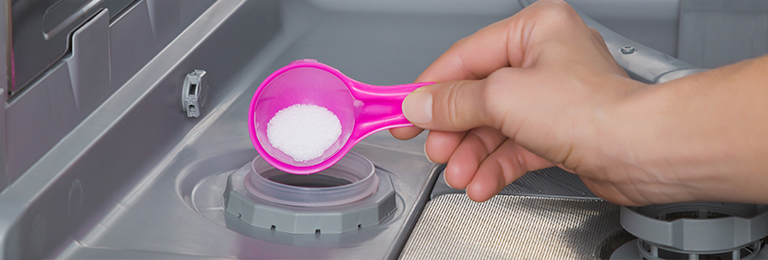
Dishwashers are a great help when it comes to getting through your pile of chores - many of us couldn't live without them! But after doing all the hard work, your dishwasher might start to get dirty. To keep your dishwasher smelling fresh for sparkling dishes every time, follow our tips below to find out how to clean your dishwasher.
How often should you clean a dishwasher?
To keep your dishwasher running smoothly and to prevent the build-up of food debris and odours, it's recommended that you clean your dishwasher at least once a month. However, if you use your dishwasher frequently or have hard water, you may need to clean it more often.
Additionally, it's important to keep an eye out for any signs of build-up or odours, and to clean your dishwasher as needed. By regularly cleaning and maintaining your dishwasher, you can ensure that it continues to function efficiently and effectively for years to come
Why does my dishwasher smell?
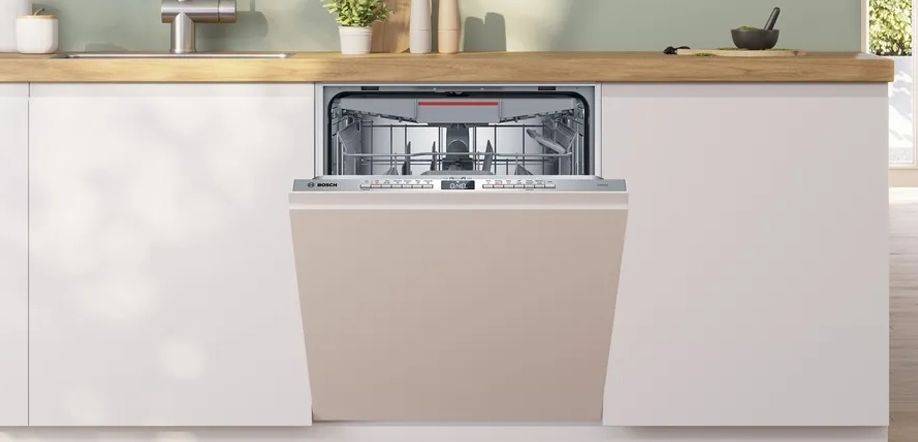
Noticed your dishwasher doesn't smell great? This can happen and is usually not a cause for concern. This typically happens when food, grease and soap scum build up or become trapped around elements of the dishwasher, causing mould and bacteria. Standing water might also cause an unpleasant smell and can happen if drains are blocked.
Cleaning your dishwasher regularly means a clean dishwasher that works as it should, and that also smells great.
What to use to clean a dishwasher
There are a few ways to clean your dishwasher, which we'll look at below, but generally you'll need:
- White vinegar or bicarbonate of soda:
natural and inexpensive cleaning agents effective at removing build-up and odours.
- Soft-bristled brush:
A soft-bristled brush removes any debris from the dishwasher filter and other hard-to-reach areas.
- Clean cloth:
A clean cloth wipes down the interior of the dishwasher.
- Cup or bowl:
You'll need a cup or bowl for the white vinegar or bicarbonate of soda.
- Baking soda:
can be used during the rinse cycle to neutralise any remaining odours for a fresh-smelling dishwasher.
- Dishwasher cleaner or descaler (optional):
You may want to consider using a dishwasher cleaner or descaler for extra cleaning power.
How to clean the inside of a dishwasher
Food particles, grease, and other debris can cause the inside of the dishwasher to become dirty over time. Not only does this mean it might not perform to its best, but it can also lead to clogs and unpleasant smells. We'll walk you through a few ways to clean the inside of your dishwasher with products you might already have in the house-and it won't cost you a fortune!
Cleaning your dishwasher with bicarbonate of soda
- Remove any visible debris
Get rid of any leftover food particles, broken glass, or other objects that may be blocking the dishwasher's drainage system.
- Mix the bicarbonate of soda solution
In a small bowl, mix together 1/4 cup of bicarbonate of soda with enough water to make a thick paste. Mix the solution until the bicarbonate of soda is dissolved
- Apply the bicarbonate of soda solution
Using a soft-bristled brush or sponge, apply the bicarbonate of soda solution to the interior surfaces of the dishwasher, including the spray arms and the interior walls.
- Let the solution sit
Once you've applied the bicarbonate of soda solution, let it sit for 15-20 minutes.
- Run a cycle with vinegar
Using a soft-bristled brush or sponge, scrub the dishwasher's interior surfaces, paying close attention to any areas that were heavily soiled. Then put it on a short rinse cycle.
- Dishwasher cleaner or descaler (optional):
Simply add a cup of white vinegar to the dishwasher and run a cycle on the hottest setting to remove any remaining debris and eliminate any lingering odours
Cleaning your dishwasher with distilled white vinegar
- Remove any visible debris
Carefully remove any debris from the bottom of the dishwasher and dispose of it properly.
- Check the dishwasher filter
Most dishwashers have a filter that needs to be cleaned periodically, and it's usually located at the bottom of the dishwasher. To clean the filter, remove it and rinse it under hot water. Use a soft-bristle brush to remove any remaining debris.
- Place a cup of white vinegar on the top rack
Place a cup of white vinegar on the top rack of the dishwasher. Make sure the dishwasher is empty, and the cup of vinegar is secure.
- Run a cycle on the hottest setting
Once the vinegar is in place, run a cycle on the hottest setting. The heat from the water will also help to activate the cleaning power of the white vinegar while also loosening any debris.
- Wipe down the interior of the dishwasher
After the cycle is complete, use a clean cloth to wipe down the interior of the dishwasher.
- Run a rinse cycle with baking soda
To finish off the cleaning process, run a rinse cycle with baking soda. Simply sprinkle a cup of baking soda into the bottom of the dishwasher and run a cycle on the hottest setting to neutralise any odours.
Cleaning your dishwasher with a tablet
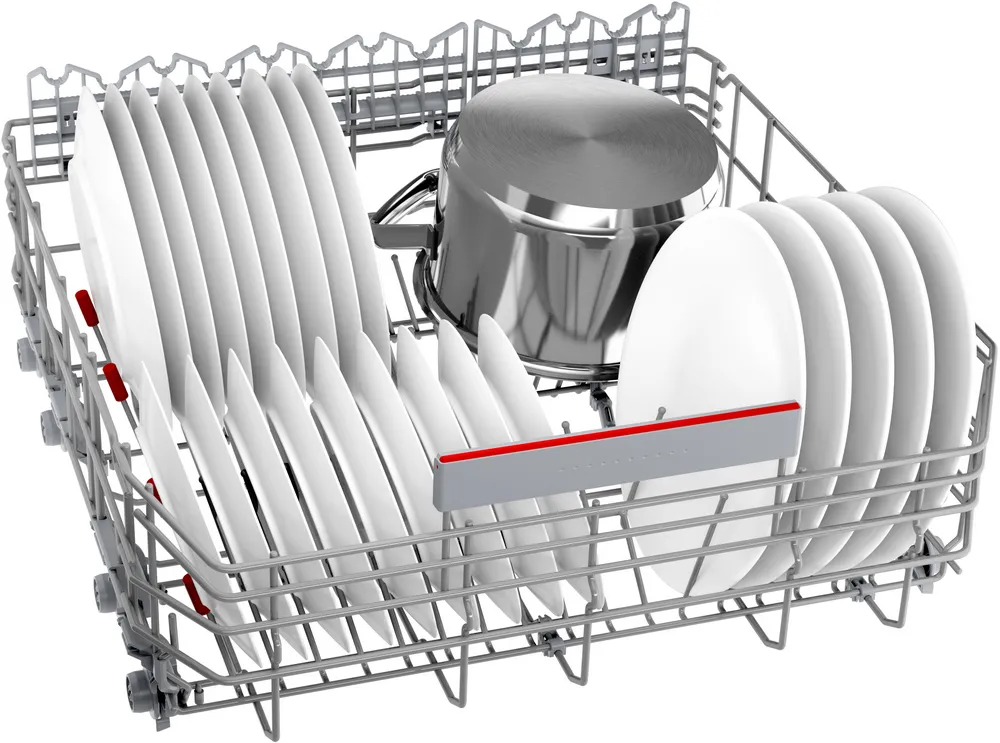
- Empty the dishwasher
Before starting the cleaning process, make sure your dishwasher is empty. Remove any dishes, utensils, or other kitchenware from the appliance.
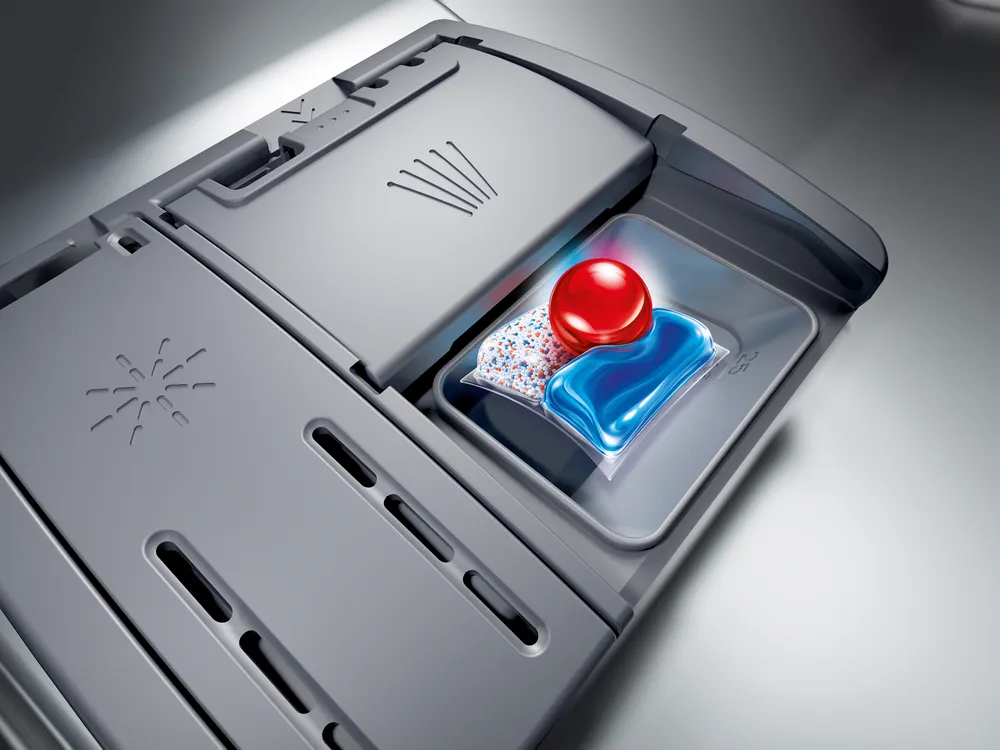
- Place the tablet in the detergent dispenser
Most dishwashers have a detergent dispenser located on the inside of the dishwasher door. Place the cleaning tablet in the dispenser according to the instructions on the package.
- Run the dishwasher on the hottest setting
Run the dishwasher on the hottest setting available. This will help to dissolve the tablet and distribute the cleaning agents throughout the dishwasher.
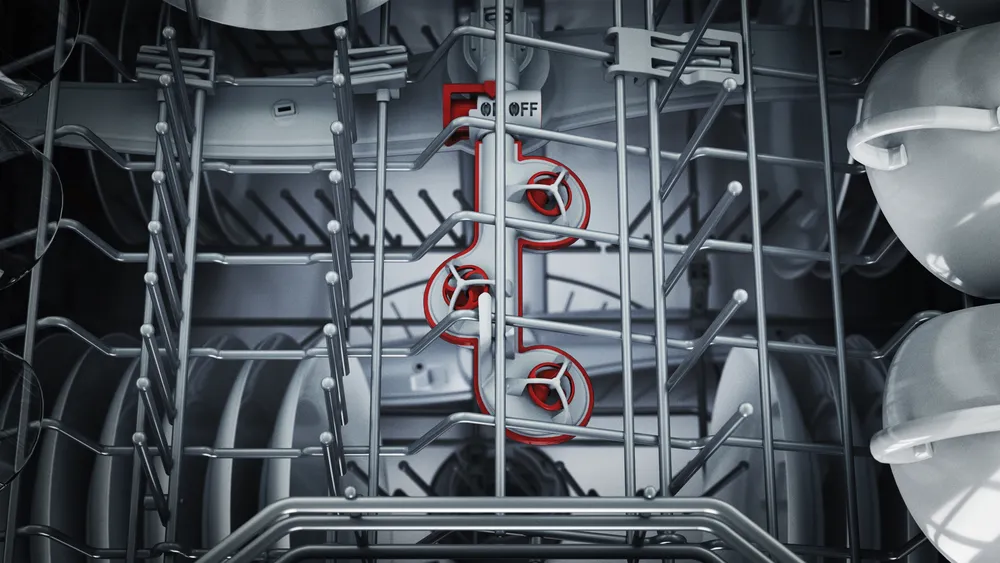
- Wipe down the interior of the dishwasher
After the cycle is complete, use a clean cloth to wipe down the interior of the dishwasher.
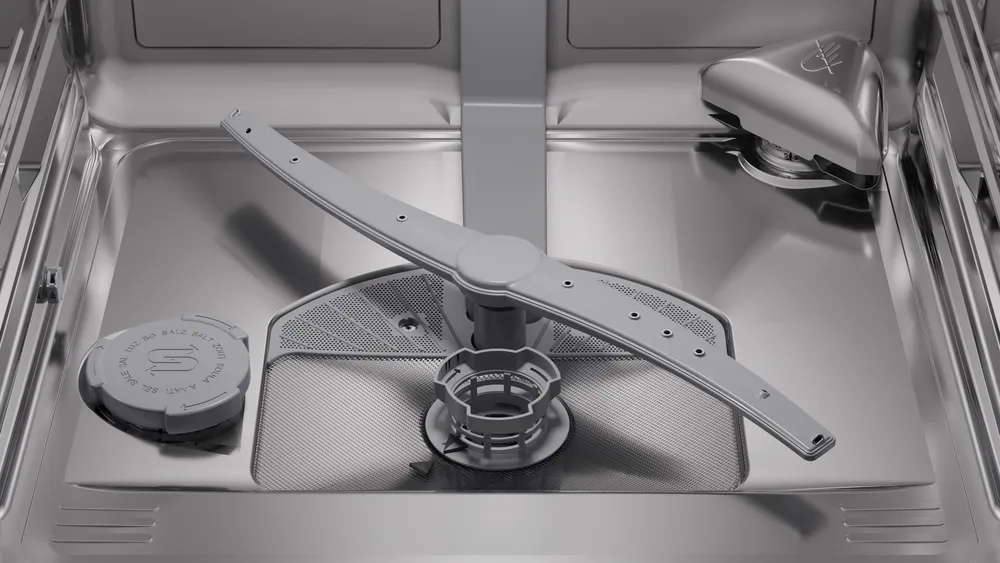
- Run a rinse cycle
To ensure that all of the cleaning agents are removed from the dishwasher, run a rinse cycle on the hottest setting. This will help to eliminate any remaining residue or build-up inside the appliance.
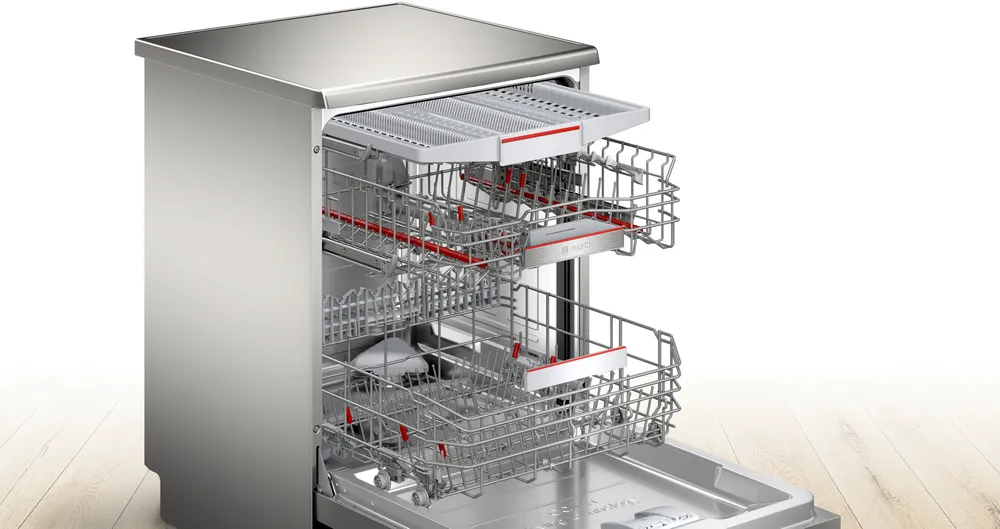
What about a clogged dishwasher?
Over time, your dishwasher can become clogged. Here's how to fix it.
- Remove any visible debris
Carefully remove any debris from the bottom of the dishwasher and dispose of it properly.
- Check the dishwasher filter
To clean the filter, remove it from the dishwasher and rinse it under hot water. Use a soft-bristled brush to remove any remaining debris.
- Clean the spray arms
The spray arms in a dishwasher are responsible for spraying water onto the dishes and can become clogged with food particles and other debris. To clean the spray arms, remove them from the dishwasher and rinse them under hot water. Use a small brush to remove any remaining debris.
- Check the dishwasher drain
The dishwasher drain is another area that can become clogged with food particles and other debris. To check the drain, remove the dishwasher's bottom rack and inspect the drain area for any visible debris.
Use a long, flexible brush to remove any debris that you can see. If the drain is still clogged, you may need to use a plumber's snake to remove the obstruction. - Run a cycle with vinegar
Once you've cleaned all of the visible parts of the dishwasher, it's time to run a cycle with vinegar. Simply add a cup of white vinegar to the dishwasher and run a cycle on the hottest setting.
- Wipe down the dishwasher
After the cycle is complete, use a clean cloth to wipe down the inside of the dishwasher.
Cleaning dishwasher pipes
Things you need to flush your dishwasher pipes
- Flat head screwdriver
- Phillips screwdriver
- Nut driver
- Channel lock pliers
Cleaning the dishwasher pipes is an important part of maintaining the efficiency and longevity of your dishwasher. Here are the steps you can follow to clean the dishwasher pipes:
- Turn off the power to the dishwasher and unplug it from the plug.
- Locate the dishwasher pipes. These are typically located at the back of the machine and connect to the main water supply and drain.
- Disconnect the pipes from the dishwasher; you may need to use a wrench.
- Check the pipes for any build-up or debris. If you see any, use a long, flexible brush or pipe cleaner to remove them. You may also want to flush the pipes with hot water to help remove any debris.
- Reconnect the pipes to the dishwasher, making sure they are securely tightened.
- Turn the power back on and run a cycle to test the dishwasher.
Descaling your dishwasher
- Empty the dishwasher
Before starting the descaling process, make sure your dishwasher is empty.
- Prepare the descaling solution
Follow the instructions on the package to prepare your chosen descaling solution, or create your own by mixing equal parts water and white vinegar or bicarbonate of soda.
- Fill the detergent dispenser with the descaling solution
Most dishwashers have a detergent dispenser located on the inside of the dishwasher door. Fill the dispenser with the descaling solution according to the instructions on the package. If you're using a homemade solution, pour it into the dispenser using a measuring cup.
- Run the dishwasher on the hottest setting
Run the dishwasher on the hottest setting available. This will help to dissolve the build-up and distribute the solution throughout the dishwasher.
- Wipe down the interior of the dishwasher
After the cycle is complete, use a soft-bristle brush and a clean cloth to wipe down the interior of the dishwasher.
- Run a rinse cycle
To ensure that all of the descaling solution is removed from the dishwasher, run a rinse cycle on the hottest setting.
Descaling your dishwasher is an important part of appliance maintenance that can help keep your dishwasher running smoothly and efficiently.
Cleaning your dishwasher filter
Cleaning the dishwasher filter is an essential part of appliance maintenance that can help improve the efficiency and performance of your dishwasher. Here's how to clean a dishwasher filter:
- Locate the dishwasher filter
Check your dishwasher's user manual or do a quick online search to locate the filter, as it can vary depending on the model.
- Remove the filter
Gently remove the filter from the dishwasher. Depending on the type of filter, it may need to be unscrewed or lifted out of the appliance.
- Clean the filter
Using a soft-bristled brush or a toothbrush, gently scrub the filter to remove any debris or build-up. If the filter is heavily soiled, you may want to soak it in warm water and dish soap for a few minutes before scrubbing.
- Rinse the filter
After scrubbing, rinse the filter under warm running water to remove any remaining debris or soap.
- Refit the filter
Once the filter is clean and dry, carefully reinstall it in the dishwasher. Make sure the filter is securely in place before running the dishwasher.
By locating the filter, removing it, cleaning it, rinsing it, and reinstalling it, you can ensure that your dishwasher is working at its best and tackling even the toughest of kitchen messes
By following these steps, you can seamlessly clean your dishwasher and reap the benefits of being able to have clean dishes with minimal work. Check out our dishwasher buying guide and browse our best-selling dishwasher models from our leading brands, here at Marks Electrical

 Added to your basket
 You've added an item to your basket.