












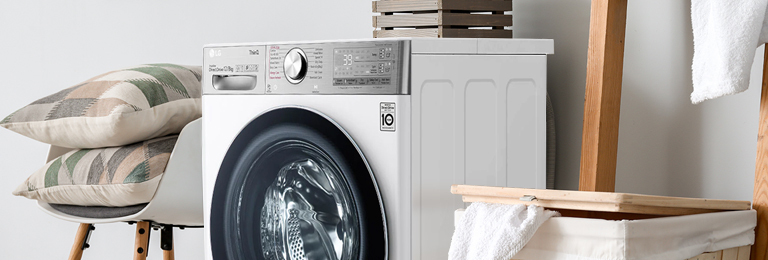
Washer Dryer Buying Guide
Jump to:
- What is a washer dryer?
- What to consider when buying a washer dryer
- Decide on a type of washer dryer
- Work out which washer dryer size is right for you
- How to measure for a new washer dryer
- Make sure it has the right spin speed
- Choose your energy efficiency rating
- Look for these essential features
- Select your colour
- Shop your preferred brand
- FAQs

Washer Dryer Buying Guide
A reliable washer dryer will clean and dry your laundry for years to come. These appliances can fully launder your clothes in just one cycle, saving you space and money on your energy bills.
In our washer dryer buying guide, we'll take you through each step to buying a washer dryer, helping you make the right choice when it comes to your new appliance.
What is a washer dryer?
A washer dryer is a washing machine with a built-in dryer for your clothes. This advanced type of washing machine enables you to wash and dry your clothes in the same appliance in just one cycle.
How does a washer dryer work?
A washer dryer will wash your clothes just like a washing machine does; it's the drying process that's slightly different.
After the wash cycle, a heating element will warm the drum of your machine, which causes the water in your clothes to evaporate until your clothes are dry. The steam from your clothes is taken to a condenser tank, where the water drains into the same outlet as your washing machine does.
This is how most washer dryers work, although there may be some variation between models.
What to consider when buying a washer dryer
When buying a washer dryer there are vital points to consider such as size, fit, drum size and energy ratings. We'll explain more about what to consider when shopping for a washer dryer in this next section, covering:
- Decide on a type of washer dryer
- Work out which washer dryer size is right for you
- How to measure for a new washer dryer
- Make sure it has the right spin speed
- Choose your energy efficiency rating
- Look for these essential features
- Select your colour
- Shop your preferred brand
1. Decide on a type of washer dryer
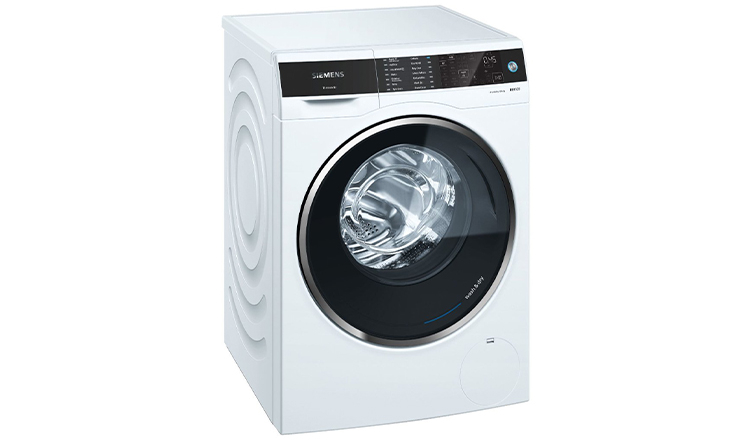
The first consideration is to decide which type of washer dryer you want. There are two options to choose from: freestanding washer dryers or integrated washer dryers. Each option performs the same function in terms of cleaning and drying your clothes so the type of washer dryer you choose is entirely down to the space you have and the look you want to achieve.
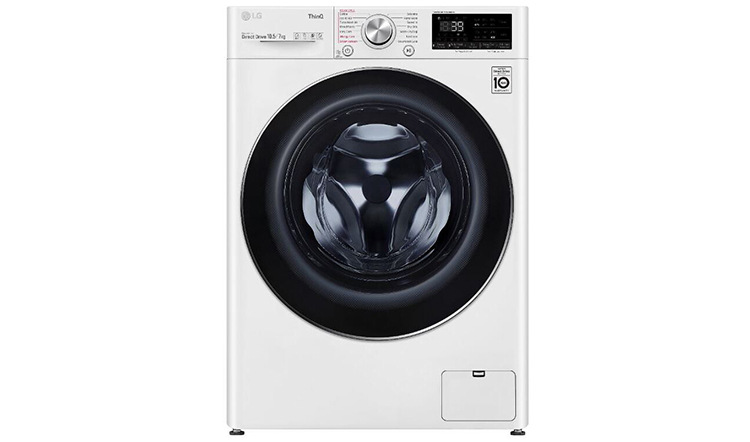
Freestanding washer dryers
Freestanding washer dryers can be placed anywhere in your home as long as there's a plug socket, drain and water supply close by. This makes them the most popular choice. Freestanding models will always be visible and will usually have a standard width of 595-600mm, making them easy to install and replace.
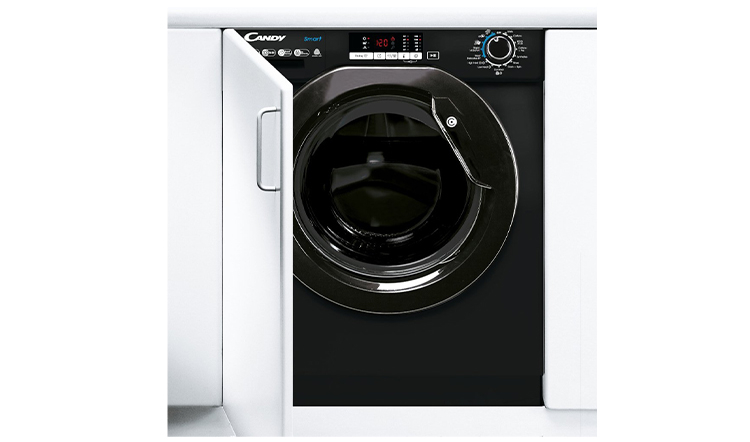
Integrated washer dryers
Integrated or built-in washer dryers sit between kitchen cabinets and behind a cupboard door. This provides a seamless, discreet look in your kitchen or laundry room - perfect if you want your appliance to blend in. Like freestanding washer dryers, they have a standard width between 595-600mm.
2. Work out which washer dryer size is right for you
Once you've decided the type that works for you, the next step is to consider which washer dryer size is best for your needs.
Most models come in a standard size at around 85cm high and 60cm wide. The depth can vary between 45 and 65cm depending on the drum size (see below).
Washer dryer drum sizes
Also known as the drum size, washer dryer capacities vary from 5 kg to 11+ kg. The weight is measured for dry clothes rather than wet. So, the drum size should be considered as the maximum laundry capacity and the weight of clothes should not exceed this.
We also strongly advise against overfilling your washer dryer for the following reasons:
- Your laundry will not be cleaned and dried properly
- Overloading could damage the washer dryer
Take a look at this table to help you work out which washer dryer size is right for your household:
| Drum size | Household size | Number of items |
|---|---|---|
| 5kg washer dryer | Individual | 25 t-shirts |
| 6kg washer dryer | Couple | 30 t-shirts or a single duvet |
| 7kg washer dryer | Small family | 35 t-shirts or a double duvet |
| 8kg washer dryer | Medium family | 40 t-shirts or a queen-size duvet |
| 9kg washer dryer | Large family | 45 t-shirts or a medium king-size duvet |
| 10kg washer dryer | Larger family | 50 t-shirts or a heavy king-size duvet |
| 11kg+ washer dryer | Very large family | 55+ t-shirts or a heavy king-size duvet |







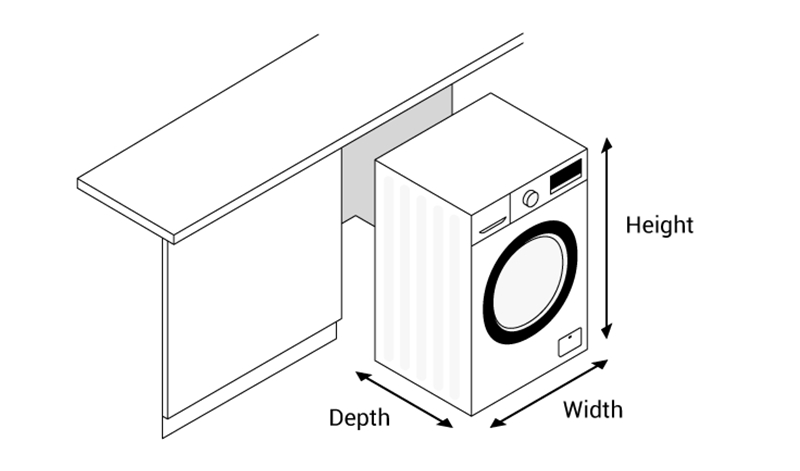
3. How to measure for a new washer dryer
Whichever type of washer dryer you choose, it's always advisable to measure your appliance and the space where you intend to put it before purchasing. Follow the steps below to measure for your new washer dryer:
- Measure the doorways of the rooms the washer dryer will need to pass through to get to the chosen location in your home. This ensures that your chosen appliance will fit through.
- Measure the height, width, and dimension of the area where you want to place the washer dryer.
- Allow for a 4 to 5mm clearance at the back and sides of the washer dryer. This will allow room for pipes and ventilation.
- As you shop, check the dimensions of each washer dryer and ensure the appliance will fit where you intend to put it.
- If you're replacing a washer dryer, a simple way of working out the right size is to measure the one you already have.
- Once you've chosen a product that will fit, select our installation service at the checkout to make the process even easier for you.
4. Make sure it has the right spin speed
A washer dryer's spin speed refers to the maximum number of spins per minute or revolutions per minute (RPM) that the appliance can achieve. Those with a faster top spin speed will tend to dry your clothes faster.
The majority of washer dryers come with a variety of speed options to choose from. The different options help protect delicate items and wring out your laundry efficiently. Click on the buttons below to find a washer dryer with the ideal top spin speed for you:
5. Choose your energy efficiency ratings
Washer dryer energy ratings range from A to G, with A being the most energy-efficient. Choosing an appliance with a good energy rating will save you money on your energy bills (and will also be better for the planet!) Washer dryers with energy ratings of C and above are considered to be relatively energy-efficient models.
To better understand the importance of choosing an energy efficient washer dryer, check out our guide on how much it costs to run a tumble dryer. Although based on standalone tumble dryers, it gives a good idea of the amount of energy these appliances use and their associated costs.
6. Look out for these essential features
When shopping around for your new appliance, take into consideration the features that each appliance comes with and compare it with your needs. Below, we've highlighted the main features that you might want to think about.

Smart washer dryers
Some washer dryers offer smart technology. Using Wi-Fi connectivity, you can start, stop and activate a delayed start from your phone, so you can control your appliance remotely. You're also able to receive notifications and monitor energy usage.
Delay start
You'll also find washer dryers that come with a delayed start option. This enables you to set your washer dryer cycle to begin at a time that suits you. Delay start is ideal if you need quiet at certain times or you'd like to run your appliance when your energy tariff is lowest.
Sportswear programme
The sportswear programme keeps your gym and sportswear clean and fresh. It protects your items by washing them at a low temperature and low spin. The sportswear cycle also automatically optimises the run time and water usage.
Wool programme
Wool programmes protect your delicate woollen garments by providing a gentle wash, minimal tumbling and gentle heat. This setting is ideal for keeping your wool clothes in good condition and preventing them from shrinking.

Drum light
Some modern washer dryers come with a drum light option, giving you better visibility inside the drum so you never end up leaving a sock behind. After 4 minutes the light will automatically turn off to save energy.
Sensor drying technology
Sensor drying technology uses in-built sensors in the drum to detect moisture levels whilst clothes are drying. When your clothes are completely dry, the washer dryer will stop automatically, saving you time and money on your energy bills.
7. Select your colour
Once you've decided on the features you'd like your washer dryer to have, it's time to consider which colour to go for. Below, we've explained the benefits of the most popular colour choices.
Black
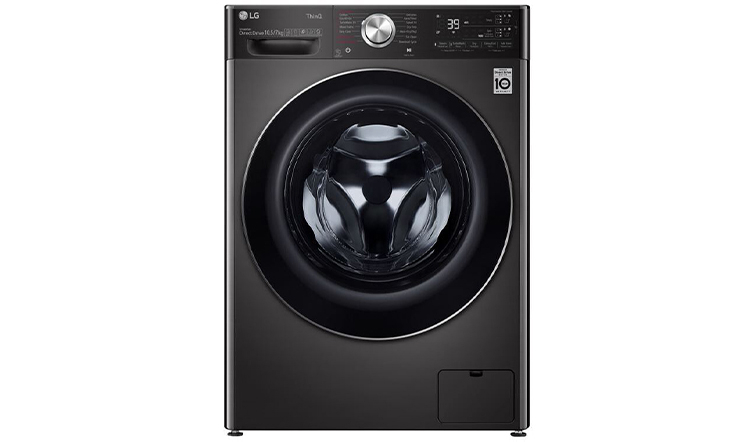
Black washer dryers are very low maintenance because they're easy to clean. This universal colour works well with different interior styles. Having a black washer dryer adds a modern, sleek touch to your décor.
White
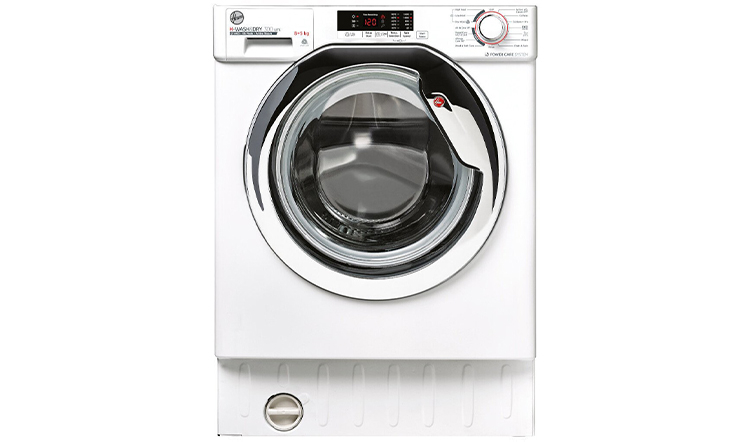
White washer dryers create a clean classic look and they're hassle-free to clean. Having a white washer dryer can also make a room seem bigger because the colour white bounces light around a room.
Grey
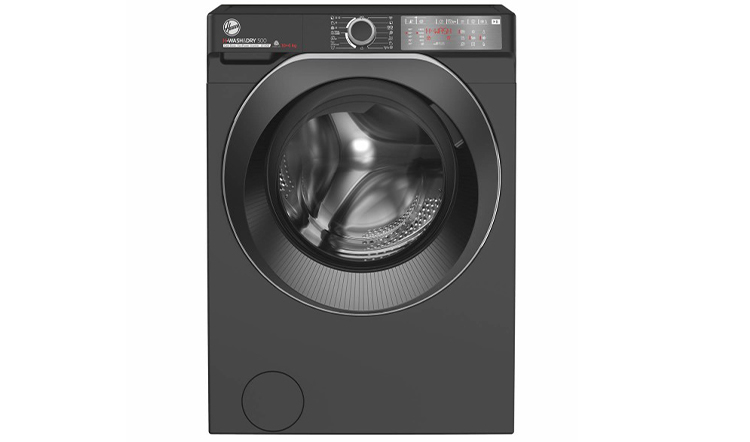
For a more contemporary look, you could consider choosing a grey washer dryer. It's easy to pair a grey appliance with any type of colour scheme, making them an increasingly popular choice with our customers.
8. Shop your preferred washer dryer brands
We stock a broad range of approved and trusted washer dryers from leading brands, such as Miele, Hotpoint, Hoover, LG, Indesit and more. You may want to choose your washer dryer from the same brand as the rest of your kitchen appliances. If not, you can compare the brands and see the different options they have.
Washer dryer FAQs
You may still have questions about which washer dryer to buy. Below, we answer the most popular FAQs that our customers have asked.
If you still can't find your answer, get in touch with our team today and we'll be happy to help.
Which is the best washer dryer?
The best washer dryer is one that works well for you and your needs. There isn't a one-size-fits-all rule.
Start by considering whether you'd like a freestanding or integrated fit. Other important aspects to think about include your budget, the drum size, the spin speed, and the useful features you'd like to have (e.g. smart technology and sensor drying).
Working through our step-by-step washer dryer buying guide is a good way to make sure you consider everything fully so you can find a washer dryer that ticks all of your boxes.
What is the standard size for a washer dryer?
A standard size of a washer dryer is 85cm height x 60cm width x 60cm depth. Always check the dimensions of the specific washer dryer you're looking at though, as there could be some variation in dimensions by model.
Will my new washer dryer need a vent?
The majority of washer dryers don't need a vent because they use condensing technology, so all you'll need is electricity and a water supply. There are a few washer dryers that don't have this feature, so should you choose this type of washer dryer you will need to install the vent through an external wall to the outside.
How much does a washer dryer cost to run?
How much your washer dryer costs to run will depend on multiple factors, such as the capacity of your appliance, how often you use it and the time of day you use it.
As an example, Which? estimates that a 7kg washer dryer with a 4kg drying capacity will cost £165 annually to run. This is based on January 2024 energy price data and washing at 40 degrees four times per week and drying three times per week. This breaks down to approximately 80p per use, or around £3.20 per week.
Naturally, running costs will increase as drum capacity and wash frequency increases. Energy-efficient washer dryers will cost the least to run.
How long should a washer dryer last?
A washer dryer will usually last around 10 to 13 years depending on how often you use it. You can extend the lifespan of your appliance by looking out for signs of wear and having it fixed by a professional if required.

 Added to your basket
 You've added an item to your basket.