












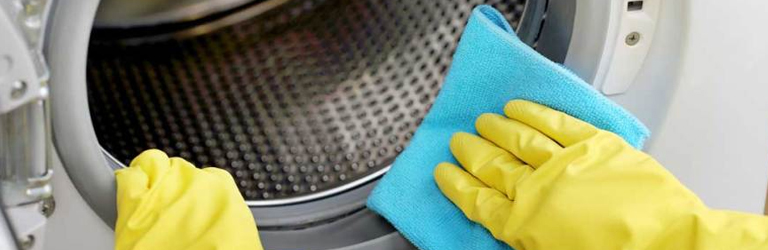
How to Clean a Washing Machine
Jump to:
How to clean a washing machine
Whilst it's not something many of us consider until it's too late, maintaining a clean washing machine is essential for fresh-smelling, hygienic laundry after every wash. Consider the items your washing machine has to clean regularly - this could be anything from sweaty workout clothes to dirty work overalls, or wet towels. All of these everyday items carry bacteria, which can lead to a build-up of mould and mildew, and create a generally unclean environment for washing your clothes.
Not only does maintaining a clean washing machine mean you can benefit from fragrant, clean clothes with every load, but it also means your washing machine will likely last longer. Taking the time to clean your washing machine regularly could help you avoid appliance repairs - which can often be costly! A clean washing machine is also more likely to perform more efficiently, consuming less energy, and saving you money on your energy bills.
So, if the time has come to freshen up your washing machine, our guide on how to clean a washing machine will help you with the process.
How to keep your washing machine clean
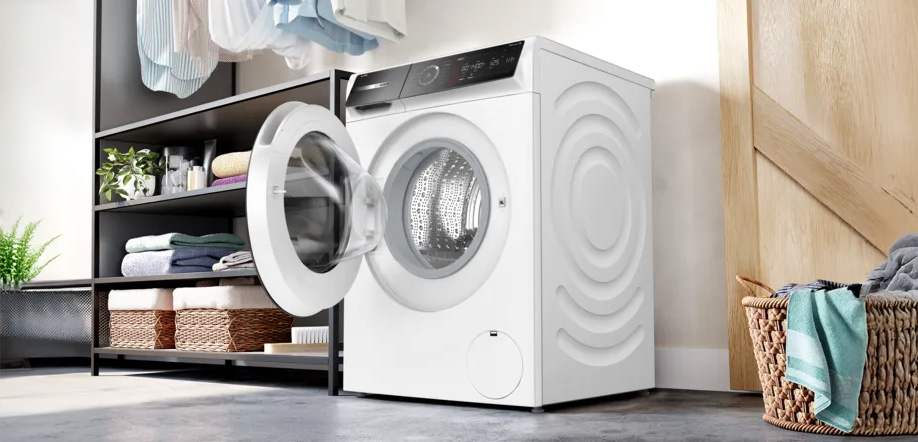
Your washing machine is made up of various parts that all need to be kept clean so you can benefit from fresh, clean clothes after each wash. To clean your washing machine:
- Gather your supplies: You'll need a few items to help, like white vinegar, baking soda, a microfibre cloth or sponge, and an old toothbrush.
- Clean the dispensers by removing the detergent and fabric softener drawers and soaking them in warm water, scrubbing them if needed.
- Clean the drum using white vinegar and water and use a cloth to wipe inside.
- Clean the seal on the washing machine door by wiping it with a vinegar-soaked cloth to remove mould and residue.
- Empty the washing machine filter and rinse it to get rid of any residue that could cause blockages.
How to clean a washing machine drawer
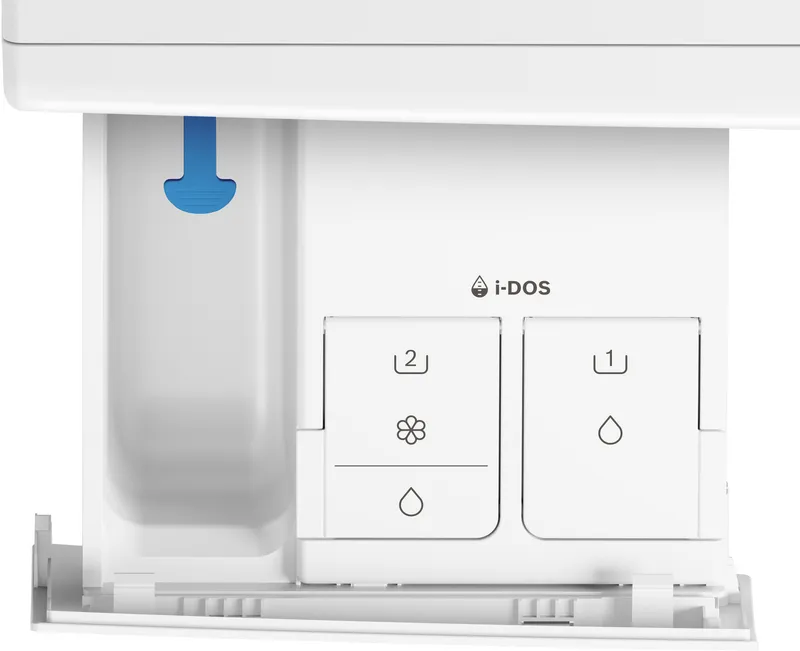
The washing machine drawer is where you pour your laundry detergent before a wash. The detergent is then flushed from the drawer and into the washing machine. Sometimes, residue can be left behind which is noticeable when you open the drawer. This build-up can cause issues when the drawer is draining, and in some cases, can cause blockages.
To prevent this from happening, you'll need to clean the drawer and the surrounding area of the machine.
You'll need: a nylon brush - then follow the instructions below:
- Remove the drawer from your washing machine - this should slide out easily.
- Place the drawer in warm water and wash it. You don't need to use bleach or cleaning products for this.
- If you have a stubborn build-up, you can use a nylon brush to scrub away the residue from the drawer, as well as the drawer dispenser - this is the space in your washing machine that your drawer slides into, which can also get clogged with debris.
- Wash the brush with warm water, and then replace the drawer securely back into the washing machine.
How to clean a washing machine drum
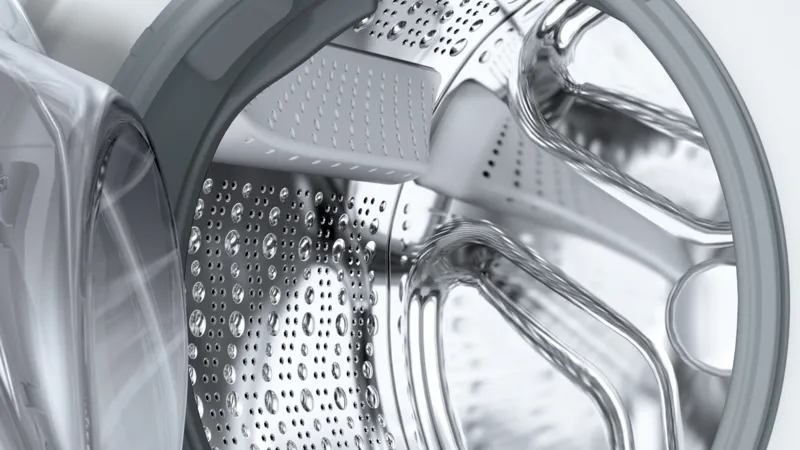
The washing machine drum is where you place your dirty washing before you set off a load of laundry. Over time, dirt and grime can build up, causing an unclean environment, and creating a smelly washing machine.
Cleaning your washing machine drum is quick and easy - your appliance might even have a self-cleaning programme to help. If not, here's how you do it:
You'll need:
- Baking soda
- White vinegar
- Microfibre cloth
- Empty your washing machine and run a quick rinse cycle to loosen any debris or residue, and remove any visible items like lint.
- Mix equal parts white vinegar and water in a bowl. Dampen your microfibre cloth or sponge and clean the drum.
- Set your washing machine to the longest, hottest cycle and add 1 cup of white vinegar to the detergent dispenser or directly to the drum. Run your cycle to clean the drum.
- If there are any lingering odours, run an additional short cycle, adding a sprinkling of baking powder to the drum.
- Leave the door of your washing machine ajar to allow the interior to dry.
How to clean a washing machine filter
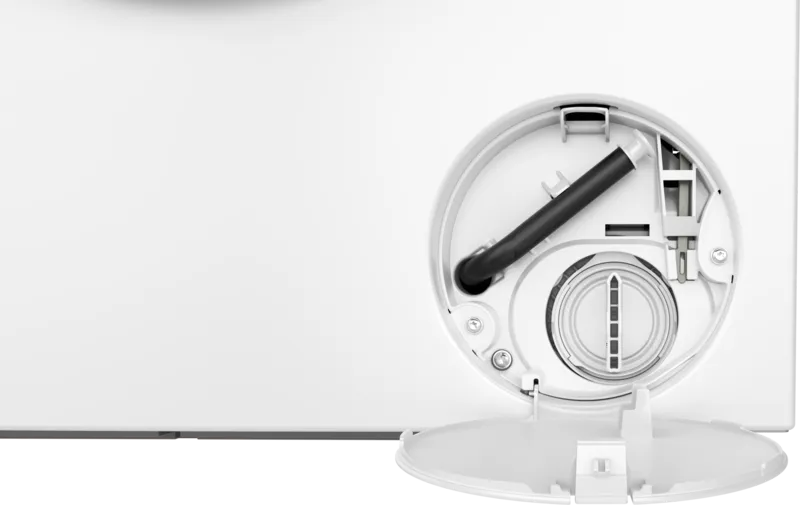
The filter is another element to consider when cleaning your washing machine. It plays an integral role in preventing debris like lint from clogging your washing machine's pump, which could lead to drainage issues.
The good news is that cleaning your washing machine filter is straightforward:
You'll need:
- A soft brush
- A cloth
- First, locate the filter. Typically they're located on the front of the washing machine beneath a flap or panel.
- Turn off your washing machine and prepare a towel or basin to cover the floor to catch any water that may spill from the filter.
- Remove the flap or panel covering the filter and drain any water that may surround it
- Unscrew and remove the filter, catching any water spills from it. Clean the filter of any residue by holding it under a running tap, or using a soft brush to loosen any debris.
- Check the filter's housing and wipe it down, removing any residue build-up before you secure the clean filter back into your washing machine. Once replaced, run a test cycle to ensure everything is operating correctly.
How to clean a washing machine seal
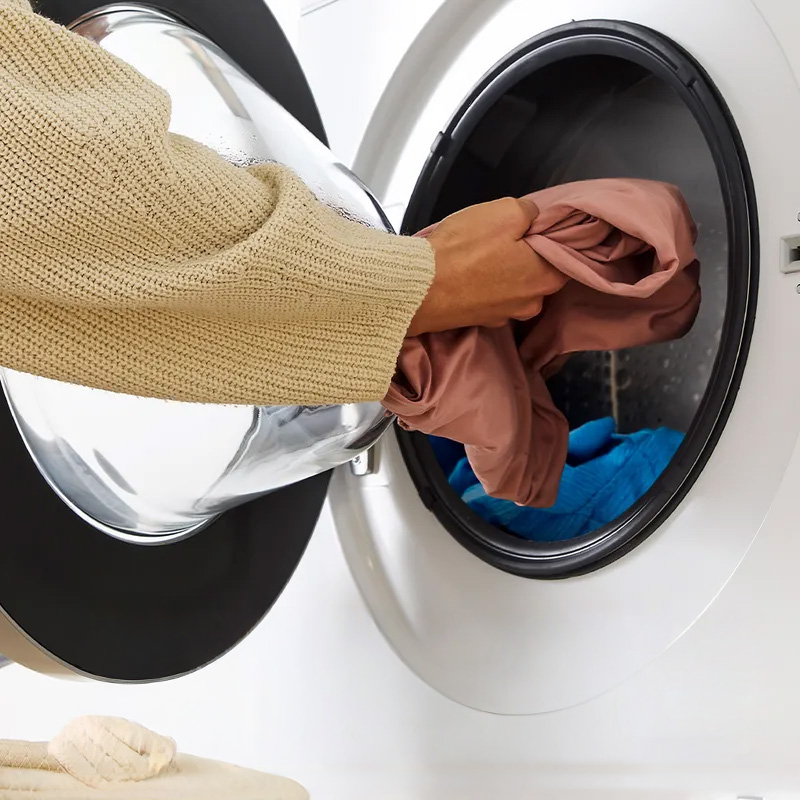
This rubber seal is found around your washing machine door - and you may not realise it, but it's a vital part of the appliance. Your washing machine's seal prevents leaks and suds from escaping, is airtight to reduce the chance of mould and mildew forming, and contributes to noise reduction during the spin cycle, so it's important you take the steps to maintain it.
You'll need:
- White vinegar
- microfiber cloth or sponge
- Baking powder
- First, mix a simple cleaning solution with equal parts water and white vinegar. The ingredients in this solution will help break down mould and mildew.
- Take a microfiber cloth or sponge and dip it into the solution. Use this to wipe down the seal of the washing machine, making sure you get into the folds where mildew is likely to accumulate.
- If there are stubborn areas of residue, use a toothbrush to scrub the seal, but be sure not to damage it.
- If there are stubborn stains that cannot be removed with your solution, create a paste from baking powder and water and apply it to these areas.
- Use your cloth and water and vinegar solution to give the seal a final clean. Dry the seal thoroughly to prevent further mould growth. Leave the door ajar so air can circulate.
How often should I clean my washing machine?
There are a few factors that determine how often you should clean your washing machine, like general usage, water hardness, and the type of detergent and products you use.
Generally, it's best to clean your washing machine every 1-3 months, but it's essential to always check for any signs of dirt and mildew. For example, if you notice your seal is discoloured, or there's a musty smell coming from the appliance, these are both signs that your washing machine is ready to be cleaned.
If you avoid cleaning your appliance, you may start to notice your clothes become stained with mildew left over in the washing machine, and that they smell musty, even after washing. Your laundry can even become contaminated with bacteria that can cause skin irritation and itching - so it's a task worth keeping on top of.
Why does my washing machine still smell even after cleaning?
If you've followed the instructions above and your washing machine is still giving off an unpleasant smell, this can be frustrating - but there are a few reasons this could be the case.
Make sure you've checked all components listed above for mildew or detergent build-up. If they're clean, consider the temperature you're most regularly washing your clothes at. Low temperatures can allow mould and bacteria to thrive, so be sure to run hot washes to eliminate contaminants.
Poor ventilation could also be the cause of your washing machine giving off an unwanted smell. Enclosed spaces can lead to the development of odours, so make sure there is room around your washing machine for air to circulate. You could also limit the amount of detergent you use, as too much can cause a build-up and lead to odour.
Maintaining your washing machine is essential for fresh laundry after every wash and ensures the longevity of your machine. To get the most from your appliance, keep it clean and free from detergent build-up for efficient and cost-effective washing.
The lifespan of your washing machine can differ, but if you're ready for a new one, Marks Electrical can help. With a range of freestanding and integrated washing machines to choose from, you can benefit from a brand-new washing machine that suits your space. Whether you prefer Bosch, Samsung, or Miele, we can guarantee savings on some of the most well-known brands.

 Added to your basket
 You've added an item to your basket.