












Tumble Dryer Buying Guide
Jump to:
- What is a washer dryer?
- What to consider when buying a washer dryer
- What is a tumble dryer?
- How to choose a tumble dryer?
- Types of tumble dryers
- Tumble dryer sizes and capacities
- How to measure for a new tumble dryer
- Tumble dryer energy ratings
- Features to look out for
- Tumble dryer brands
- Tumble dryer FAQs

Tumble Dryer Buying Guide
Choosing a new tumble dryer? With several different types on offer, even just choosing the right type of dryer for your needs can be a head-scratching exercise. Make your search that bit simpler with our buying guide. Along the way, we'll cover all of the key questions like which type, size, energy rating and features to go for.
What is a tumble dryer?
Washing can seem like a chore, but with a tumble dryer, you don't have to wait until the weather is on your side. A tumble dryer is a handy appliance that allows you to dry your clothes quickly and efficiently. The appliance works by gently rotating your clothes in a drum while warm air circulates and removes any moisture. They're a great option for busy households, homes that may not have space to dry laundry inside, and can save you time and effort.
Many modern models come with smart sensors and eco settings that adjust drying times automatically, saving you money on energy bills.
How to choose a tumble dryer?
There are a few different types of tumble dryers to choose from, as well as a range of big-name brands. Finding the perfect tumble dryer to suit you doesn't have to be difficult. In this guide, we'll cover the following to help you make your decision:
- Types of tumble dryers
- Tumble dryer sizes and capacities
- How to measure for a new tumble dryer
- Tumble dryer energy ratings
- Features to look out for
- Tumble dryer brands
- Tumble dryer FAQs
Types of tumble dryers
Think about where you want to position your tumble dryer. Do you want to conceal your appliance behind a cupboard door or would you prefer it to sit underneath a counter? Exploring integrated and freestanding is a good place to start. Then, you'll have to think about the type of dryer you'd prefer.
Vented tumble dryers
- Affordable
- Require little maintenance
- Dry clothes quickly
Vented tumble dryers are affordable and eco-friendly, and they're also the most common. They draw air in from the room, heat it and blow hot air around the drum to dry your clothes. The hot, damp air escapes through a hose, which means it needs to be near an external wall or window.
Condenser tumble dryers
- Can be positioned anywhere
- No installation needed
- More affordable than heat pump tumble dryers
These condenser dryers don't need an external wall or hose. They condense the steam generated by drying clothes into water. The water then collects in a container, which can be removed and emptied. They're flexible and can be positioned anywhere, but you'll have to remember to empty the water reservoir every time you use it.
Heat pump tumble dryers
- Doesn't require an external wall
- Environmentally friendly with low running costs
- Comes with new features and technology
Heat pump tumble dryers are the most modern, eco-friendly type of tumble dryer. They collect water in a reservoir, so no need for a hose. They can be placed anywhere in your home that has an electric supply. They recycle warm air, using less energy. The upfront cost is typically higher, and the drying process does take longer.
Tumble dryer sizes and capacities
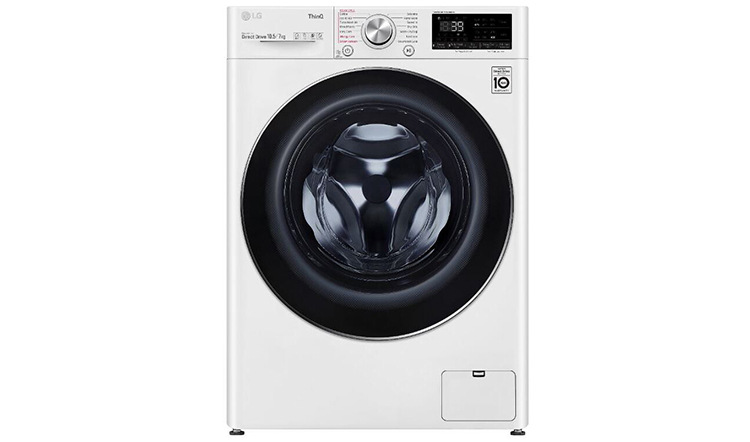
The majority of tumble dryers come in roughly the same height and width, at around 850mm x 600mm. The depth can vary a bit more widely depending on the appliance's drum size - usually between 580mm and 655mm.
While you need to choose an appliance that'll fit where you'd like to position it, the main point to consider is your new dryer's capacity. Similar to washing machines, tumble dryers have capacities ranging from 5kg right up to 13kg, giving you options depending on how much laundry you usually do:
How to measure for a new tumble dryer
Before purchasing your new tumble dryer, check that it'll fit into the space you have planned for it. Regardless of where you're going to position your new appliance, you'll want to measure the dimensions of this area first.
Freestanding tumble dryers
- Measure your space - Check the height, width, and depth of the area where your tumble dryer will go.
- Allow for ventilation - Leave at least 1 inch on each side and 4 inches behind the dryer for airflow and hose connections
- Top-load models - Leave 15-20 inches of space above the appliance so the door can open fully.
- Using a pedestal? - Remember that laundry pedestals typically add around 14 inches to the overall height.
- Check door clearance Make sure the dryer door can open easily in the planned spot.
- Plan delivery access - Measure doorways, halls, and stairways to ensure there's enough room to move the appliance into place.
Integrated tumble dryers
It’s much easier to measure for a built-in tumble dryer. These appliances come in a standard height and width to fit into a conventional-size integrated cabinet. In this case, you’ll just need to measure the depth, allowing at least four inches for ventilation or a hose at the back of the appliance.
Remember, you’ll still need to make sure the doorways and halls in your home have enough room for you to carry the appliance into position when it’s delivered.
Take a look at this table to help you work out which washer dryer size is right for your household:
Energy ratings for tumble dryers
Choosing a tumble dryer with a good energy rating means you’ll save money, as well as help the planet. All dryers come with an energy rating from A to F, with A being the most efficient. You may also see A+, A++ and A+++. The higher the energy rating, the more you can save.
4. Make sure it has the right spin speed
A washer dryer's spin speed refers to the maximum number of spins per minute or revolutions per minute (RPM) that the appliance can achieve. Those with a faster top spin speed will tend to dry your clothes faster.
The majority of washer dryers come with a variety of speed options to choose from. The different options help protect delicate items and wring out your laundry efficiently. Click on the buttons below to find a washer dryer with the ideal top spin speed for you:
5. Choose your energy efficiency ratings
Washer dryer energy ratings range from A to G, with A being the most energy-efficient. Choosing an appliance with a good energy rating will save you money on your energy bills (and will also be better for the planet!) Washer dryers with energy ratings of C and above are considered to be relatively energy-efficient models.
To better understand the importance of choosing an energy efficient washer dryer, check out our guide on how much it costs to run a tumble dryer. Although based on standalone tumble dryers, it gives a good idea of the amount of energy these appliances use and their associated costs.
6. Look out for these essential features
When shopping around for your new appliance, take into consideration the features that each appliance comes with and compare it with your needs. Below, we've highlighted the main features that you might want to think about.

Smart washer dryers
Some washer dryers offer smart technology. Using Wi-Fi connectivity, you can start, stop and activate a delayed start from your phone, so you can control your appliance remotely. You're also able to receive notifications and monitor energy usage.
Delay start
You'll also find washer dryers that come with a delayed start option. This enables you to set your washer dryer cycle to begin at a time that suits you. Delay start is ideal if you need quiet at certain times or you'd like to run your appliance when your energy tariff is lowest.
Sportswear programme
The sportswear programme keeps your gym and sportswear clean and fresh. It protects your items by washing them at a low temperature and low spin. The sportswear cycle also automatically optimises the run time and water usage.
Wool programme
Wool programmes protect your delicate woollen garments by providing a gentle wash, minimal tumbling and gentle heat. This setting is ideal for keeping your wool clothes in good condition and preventing them from shrinking.

Drum light
Some modern washer dryers come with a drum light option, giving you better visibility inside the drum so you never end up leaving a sock behind. After 4 minutes the light will automatically turn off to save energy.
Sensor drying technology
Sensor drying technology uses in-built sensors in the drum to detect moisture levels whilst clothes are drying. When your clothes are completely dry, the washer dryer will stop automatically, saving you time and money on your energy bills.
7. Select your colour
Once you've decided on the features you'd like your washer dryer to have, it's time to consider which colour to go for. Below, we've explained the benefits of the most popular colour choices.
Black
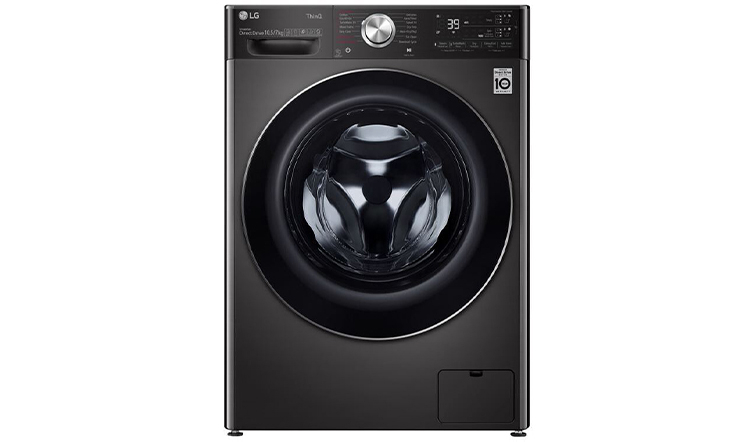
Black washer dryers are very low maintenance because they're easy to clean. This universal colour works well with different interior styles. Having a black washer dryer adds a modern, sleek touch to your décor.
White
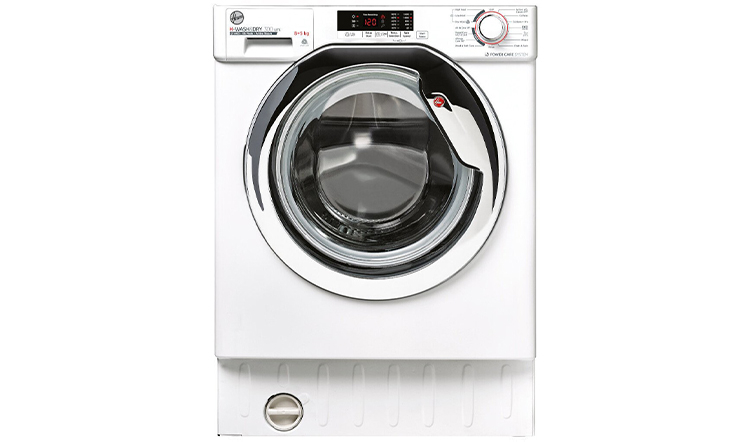
White washer dryers create a clean classic look and they're hassle-free to clean. Having a white washer dryer can also make a room seem bigger because the colour white bounces light around a room.
Grey
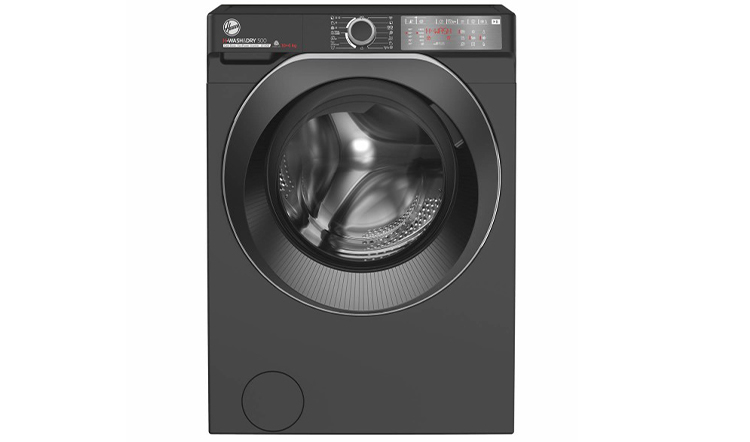
For a more contemporary look, you could consider choosing a grey washer dryer. It's easy to pair a grey appliance with any type of colour scheme, making them an increasingly popular choice with our customers.
8. Shop your preferred washer dryer brands
We stock a broad range of approved and trusted washer dryers from leading brands, such as Miele, Hotpoint, Hoover, LG, Indesit and more. You may want to choose your washer dryer from the same brand as the rest of your kitchen appliances. If not, you can compare the brands and see the different options they have.
Washer dryer FAQs
You may still have questions about which washer dryer to buy. Below, we answer the most popular FAQs that our customers have asked.
If you still can't find your answer, get in touch with our team today and we'll be happy to help.
Which is the best washer dryer?
The best washer dryer is one that works well for you and your needs. There isn't a one-size-fits-all rule.
Start by considering whether you'd like a freestanding or integrated fit. Other important aspects to think about include your budget, the drum size, the spin speed, and the useful features you'd like to have (e.g. smart technology and sensor drying).
Working through our step-by-step washer dryer buying guide is a good way to make sure you consider everything fully so you can find a washer dryer that ticks all of your boxes.
What is the standard size for a washer dryer?
A standard size of a washer dryer is 85cm height x 60cm width x 60cm depth. Always check the dimensions of the specific washer dryer you're looking at though, as there could be some variation in dimensions by model.
Will my new washer dryer need a vent?
The majority of washer dryers don't need a vent because they use condensing technology, so all you'll need is electricity and a water supply. There are a few washer dryers that don't have this feature, so should you choose this type of washer dryer you will need to install the vent through an external wall to the outside.
How much does a washer dryer cost to run?
How much your washer dryer costs to run will depend on multiple factors, such as the capacity of your appliance, how often you use it and the time of day you use it.
As an example, Which? estimates that a 7kg washer dryer with a 4kg drying capacity will cost £165 annually to run. This is based on January 2024 energy price data and washing at 40 degrees four times per week and drying three times per week. This breaks down to approximately 80p per use, or around £3.20 per week.
Naturally, running costs will increase as drum capacity and wash frequency increases. Energy-efficient washer dryers will cost the least to run.
How long should a washer dryer last?
A washer dryer will usually last around 10 to 13 years depending on how often you use it. You can extend the lifespan of your appliance by looking out for signs of wear and having it fixed by a professional if required.

 Added to your basket
 You've added an item to your basket.