












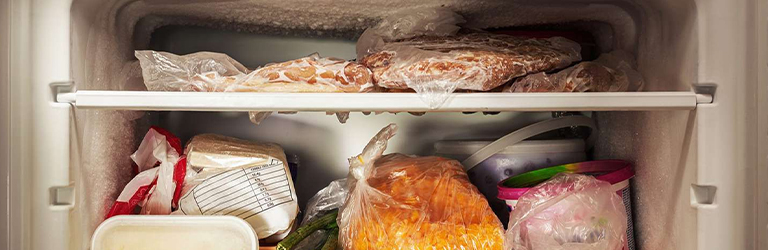
Freezer Myths Debunked: What You Can and Can't Freeze
Freezer Myths Debunked: What You Can and Can't Freeze
Freezing food doesn't kill bacteria. And although it might seem like it, frozen food won't last forever, so it's essential to make sure you consume it within 3-12 months, depending on the item. Freezing can change the flavour and texture of your food, but if best practices are followed, your items should stay in good condition when you cook them.
Freezers are incredibly convenient. You can store everything from leftovers to fresh fruit and baked goods. But what doesn't work so well when frozen? And how do you know whether it's safe to eat? Common freezer myths tell us that frozen food keeps forever and that low temperatures kill all bacteria, but this isn't strictly true.
With our freezer myths debunked, you can learn the ins and outs of freezing food - what you should do, and what you should avoid.
Common freezer myths
Freezing kills all bacteria
Many people think that freezing food kills germs and bacteria outright. But this isn't actually true. Freezing simply renders bacteria inactive for the period of time it's in the freezer. Once it's thawed, bacteria will continue to grow at a normal rate. To avoid food becoming spoiled as it thaws, it's recommended that you thaw perishable foods, like meat, in the fridge.
Frozen food has fewer nutrients than fresh
Frozen food doesn't mean it's 'bad' or unhealthy. Frozen food, like fruit and veg, is flash frozen when it's ripe, which locks in nutrients. Some frozen foods may actually be more nutritious than fresh food that has sat on your counter or in a supermarket for days.
Frozen food keeps forever
Just because it's in the freezer doesn't mean it's good to eat for years to come. The longer you have food in your freezer, the more it will deteriorate over time. Food left in the freezer too long will lose flavour and dry out. To keep your frozen food tasting as good as when you stored it, consume it within a few months.
Freezer burn means the food is unsafe
If you've ever noticed food in your freezer looks dry or has white spots, it may be due to freezer burn. This happens when moisture is lost and food is exposed to the air. But this doesn't exactly mean it's unsafe. It can alter the texture or taste, but you can address this by trimming the discolouration, using low-and-slow cooking processes, and marinating meat to restore lost moisture.
Foods that freeze well vs. foods that don't
Not every food handles freezing well. Here's a quick guide to what you can - and can't - safely pop in the freezer:
You can freeze... |
You shouldn't freeze... |
|---|---|
| Bread and baked goods | Lettuce and high-water veg |
| Meat and fish | Cream-based sauces |
| Fruit and vegetables | Soft cheese, e.g. brie or camembert |
| Soups, stews and sauces | Fried foods |
| Grated cheese and butter | Eggs in their shell |
Does freezing affect the texture and quality of food?
Yes, freezing does impact the texture and quality of food in a few ways:
- Ice crystals: Water in food turns to crystals when frozen. If these crystals are large enough, they can break down the cell wall in fruit and veg, resulting in a soft or mushy texture when thawed.
- Freezer burn: If food isn't well sealed, moisture can escape into the air, causing freezer burn. This dehydrates the outer layer of food and allows oxygen to seep into the spaces.
- Changes in texture: When thawed, food can change texture. Meat and fish can become drier, fruit can become soft, and vegetables can become limp.
- Flavour changes: Freezing can alter the flavour intensity of sauces and dairy products. It can also result in the separation of fats in liquid.
How to package food for freezing
Knowing how to package food correctly is essential and allows you to maintain the quality and flavour of your favourite foods:
- Use airtight containers, like Tupperware or freezer bags, to protect your food and prevent freezer burn.
- Remove as much air from the container as possible before putting it in the freezer.
- Make sure you label your items correctly, including what's inside and the date you stored them.
- If you're planning to freeze food you've just cooked, wait for it to cool before freezing to prevent the build-up of condensation.
- Make sure you freeze your food in portion-sized amounts so you can avoid food waste.
Freezing food: Safety vs. quality
Of course, food frozen at -18 degrees or below is safe to eat, but quality is not permanent. If there's food in your freezer that's been there for a while, you might notice:
- It has freezer burn. It's still safe to eat, but the texture may have changed.
- It may have lost flavour and aroma the longer it's in your freezer.
- It may have a dry and grainy texture if it's been frozen for a while.
Tip: Generally, frozen food is safe to consume within 3-12 months of freezing, depending on the type of food.
Tips to reduce food waste
Cleaning out your freezer to find food you've forgotten about can result in food waste. Here are a few ways you can avoid having to throw food away:
Freeze leftovers as soon as possible
Freezing your leftovers as soon as possible helps to stop the growth of harmful bacteria. This helps to maintain quality. If you leave your food on the counter at room temperature, it's more likely to enter the 'danger zone'. This is where Salmonella and E. coli can multiply quickly. Even if the food looks fine to eat, it's not worth risking. Wait until the food has cooled, and immediately prepare it for freezing.
Portion food before freezing to avoid waste when defrosting
Portioning your food before you freeze it means you'll only need to thaw what you need, rather than a large portion you'll be more likely to waste. Defrosting a smaller portion means you're less likely to throw away leftovers. Frozen food will also thaw more quickly and safely.
Freeze items close to their use-by date
This keeps food at its best and 'pauses' it before it starts to spoil. As well as this, it also helps lock in freshness and reduces waste, as you're less likely to have to throw it away.
Keep a list of what's in your freezer
We've all forgotten what's at the back of the freezer at some point. Creating a list stops things from sitting on your freezer shelves for months. You're also less likely to buy duplicates, and you can plan meals around what you have. It also saves you time - no more rummaging through frozen items.
First in, first out rule
Use the oldest items in your freezer first, and put the new items behind them to prevent confusion. Label all frozen items with a date so you can easily keep track of when you froze them. This will keep them in the best condition and help avoid food waste.
Sticking to freezer best practices means you can keep your favourite food in the best condition while ensuring it's safe to eat and the quality is maintained for as long as possible.
If your freezer isn't working as it should, or you simply need more space, choose from compact, integrated freezers and freestanding freezers at Marks Electrical.

 Added to your basket
 You've added an item to your basket.