












What Causes Fridge Condensation and How to Fix It
What Causes Fridge Condensation and How to Fix It
A small amount of condensation in your fridge is normal, but if you notice it's getting excessive, dripping from shelves or pooling in the bottom of your appliance, it may cause food to go off more quickly. Improving airflow, adjusting the temperature and ensuring the seals are intact can get your fridge back to working efficiently.
Why does condensation form in fridges?
Warm air + cold air = water droplets (condensation)
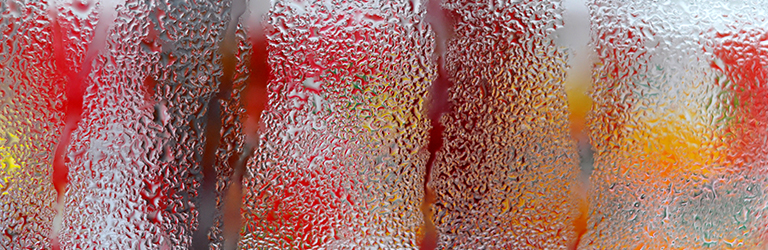
Warm air enters the fridge every time you open it. This warm air carries moisture, which turns into water droplets when it hits the fridge's cold surface. This is particularly noticeable if the air in your home is humid, for example, when you're cooking on the hob or have the oven on.
Putting warm food in the fridge also creates condensation. As steam from the food is trapped in the fridge, it quickly condenses on the walls of the appliance.
Leaving food uncovered can also create condensation. Items with high water content, like fruits and vegetables, release moisture into the air, causing humidity inside the fridge.
You might notice some areas of the fridge have more condensation than others. The back wall and the cooling vents are colder than other parts, meaning moisture condenses more quickly here.
Check door seals, airflow, and loading
All three of these elements can have an impact on how much condensation you notice in your fridge:
- Door seals: The rubber seal you'll find around the edge of your fridge door. This is designed to keep moisture out, creating an airtight barrier. If your seal is worn or dirty, it might be letting moisture in, causing condensation to build up.
- Airflow: Your fridge circulates air constantly, keeping a consistent temperature and ensuring moisture doesn't build up. If vents are blocked, pockets of moisture can occur.
- Loading: If your fridge is full, airflow is restricted, which can lead to damp shelves and uneven cooling. Try to pack your fridge so air can still flow freely around your items to prevent condensation buildup.
Does condensation affect food quality?
Yes. Condensation in your fridge means:
- Food will go off faster: Condensation in the fridge creates a perfect environment for bacteria, which means your favourite foods are likely to go off more quickly than usual.
- Mould growth is more likely: Moisture and generally damp conditions inside the fridge mean mould is more likely to develop in items including fresh fruit, veg and leftovers.
- Food texture and freshness changes: Moisture can make food feel soggy - you're more likely to notice this in items like fruit and crisp vegetables.
- Cross-contamination risks: Droplets from condensation can carry bacteria from one item to another. This can cause an issue if moisture is dripping from items or shelves.
How to fix moisture in your fridge
- Wipe away condensation: Wipe away any excess condensation you can see in your fridge, whether that's on walls or shelves. This acts as a reset and makes it easier to spot when it starts to build up again.
- Clean the seals: Use soapy water to remove any dirt from the seals around your fridge doors. Clean seals close more tightly, making it harder for humidity to get inside and condensation to form.
- Adjust the temperature: The recommended temperature for a fridge is 3-5°C. If it's set too high, moisture is more likely to develop.
- Check airflow: If your fridge is fully stocked, make sure it's not blocking any vents, as this can impact airflow. Try to create air around your items to help your fridge maintain the optimal temperature.
- Check drainhole: Some fridges have a drainhole at the back. If it's blocked, this can cause moisture to pool and build up.
Tips:
- Don't put hot food in the fridge; let it cool before storing it away.
- Cover all foods and liquids before putting them in your fridge to prevent moisture escaping.
- Avoid overloading the fridge.
When does condensation indicate a fault?
If you've followed the steps and you're still noticing condensation in your fridge, this could indicate a bigger problem.
If you notice:
- Water pooling
- Condensation coming back quickly after you've wiped it
- Uneven cooling with food going off faster than expected
- Visible damage to seals
...it might be time to consult an engineer or to look for a new appliance.
Tips for preventing fridge condensation
- Don't leave the fridge door open: Try to open your fridge door less. Instead of going back and forth when cooking, take everything you need out before you start. Try to make sure you shut the door as soon as you have what you need.
- Don't put warm food in the fridge: Make sure food is cold before chilling it. This prevents moisture from being produced.
- Don't overload the fridge: Make space around your items and make sure they're not blocking vents.
- Set the correct temperature: Make sure your fridge is around 3-5°C. Ensuring the fridge has a stable temperature means moisture is less likely to build up.
- Clean and check the drain hole: If your fridge has one, clean and check the drain at the back of the fridge. This allows moisture to exit the fridge, rather than collect in it.
The average lifespan of a fridge is 13 years. If you've noticed more condensation than normal and your fridge is around this age, it might be time to consider a new appliance. If your fridge is newer than this, try the above tips to determine why condensation might be forming.

 Added to your basket
 You've added an item to your basket.