












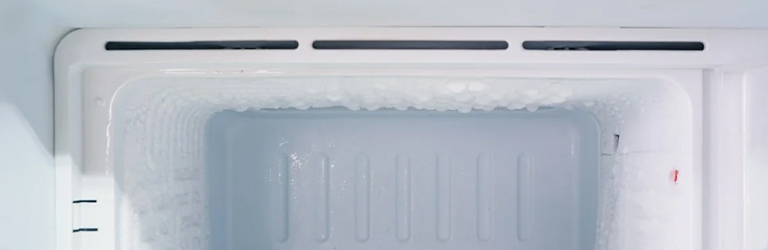
Why is my fridge freezing?
Why is my fridge freezing?
Your fridge is arguably one of the most essential kitchen appliances; used daily, it's up there with your freezer and oven (or should we say air fryer!) in terms of importance. When something goes wrong, it's important to fix it fast.
If you've noticed that your fridge is stepping on your freezer's toes and freezing your food rather than chilling it, you'll need to troubleshoot the issue as soon as possible. In this guide, we'll explain the causes of a freezing fridge and how to fix it.
Why is my fridge suddenly freezing everything?
There are many reasons why your fridge might start freezing your food. This can range from something simple like the temperature setting to an issue with the parts within your fridge. Here are some of the most common reasons why your fridge is freezing:
1. The temperature is set too cold
The most common issue for your fridge freezing is simply that the temperature is set too cold. The ideal temperature for a fridge is 3°C to 5°C. If your fridge is set to sub-zero temperatures, it could be causing your food to freeze.
The good news is that this is usually a simple fix. You can adjust the temperature settings on your fridge using its temperature controls (this is usually a numbered dial found either inside your fridge or at the bottom of the appliance). Check your manual for specific guidance on adjusting the temperature of your chosen appliance for further advice.
2. The temperature sensor has failed
If you've checked the controls and your temperature setting is as it should be, your fridge may be operating at a lower temperature because the temperature sensor has failed.
You can check this by placing a glass of water on the top shelf of your fridge for 24 hours. Using a thermometer, test the temperature of the water. If it's more than 2 degrees different from your temperature setting, it could be a sign of a failed thermostat.
Replacing a fridge thermostat can be complicated, especially if you're not the best at DIY. You could call in an expert, or if your fridge is old, you may choose to replace the appliance altogether.
3. The air vents may be blocked
In fridge freezers, the cold air needs to be able to circulate between the storage areas to maintain your set temperature. A full fridge with lots of food in it can block these air vents, which causes the colder air to become trapped, potentially freezing your food as a result.
Make sure the food in your fridge is away from the air vents, and for maximum efficiency, ensure the food is well evenly positioned in your fridge.
4. A loose door seal
You may think that loose door seals would result in the food in your fridge getting warmer, not colder. But in fact, it can be the opposite. If the seals on your fridge door aren't sealing the cold air in properly, it can cause your appliance to work harder to create a cold temperature, which could see the temperature inside your fridge drop below the desired level.
Check the seal on your fridge door regularly for signs of damage or wear and tear. Door seals can be replaced, although we recommend weighing up the cost of the repair with the cost of a new fridge. It may make more financial sense to replace your appliance, especially if it's older.
Why is my fridge freezing at the back?
In some cases, the back of your fridge may freeze up either in isolation or along with the food in your fridge freezing. There are many reasons why this can happen, including:
1. Your fridge's temperature is too low
If your fridge's temperature is set too low, the condensation within your fridge will be more likely to freeze over. A few frozen droplets are nothing to be worried about but a large amount of frost or ice is a sign you need to take action. Try adjusting the temperature to between 3°C and 5°C.
2. The fridge door has been left open or the seal has failed
If you often leave your fridge door open while you get out your pots and pans and potter around the kitchen, you're welcoming warm air into your fridge. This is also true of a failed seal on your fridge door, which can let warmer air into the fridge if it's not tightly sealed.
When this warm air meets the cold surface of your fridge, the water droplets will settle. More condensation in your fridge provides more opportunity for it to ice over and create frost.
3. There's limited airflow around your fridge
You'll need to make sure there's enough space around your fridge to allow enough airflow. If your fridge is jammed into a space or if it's packed full of food, airflow can be limited, which can lead to your fridge freezing at the back.
4. One or more parts have failed
Significant frost at the back of your fridge could be a result of one or more parts failing. Everything from a faulty compressor, a broken thermostat, blocked coils, a faulty fan motor, or the fridge's defrost function failing could be at fault.
Essentially, a problem with these parts makes it more difficult for your fridge to maintain and regulate its temperature, which can lead to frost building up.
We recommend checking the easier fixes above before calling in the experts to diagnose a broken part. In some cases, it may work out more expensive to repair your existing fridge rather than buy a new one.
How to stop your fridge from freezing
As the saying goes, prevention is better than the cure. Here are the steps you can take to prevent your fridge from freezing:
- Check your fridge's temperature is set to between 3°C and 5°C.
- Keep on top of any ice or frost that can start to build up. Wiping the back and shelves with a warm, soapy cloth will not only melt away ice and prevent it from building up, but also keep your fridge clean and fresh.
- Get into the habit of taking everything you need out of the fridge at once, rather than opening the door multiple times.
- Consider raising the front legs of your fridge slightly so the fridge automatically swings shut after you open it.
- Tighten the hinges on your fridge door with a screwdriver to ensure the door can close tightly.
- Wipe down the fridge door frame and seals to remove any dirt that may have built up, which can prevent the door from closing flush. Use a damp cloth with mild soap and dry thoroughly afterwards to prevent ice from forming.
- Regularly check your door seals and replace them should they become damaged.
- Organise your food within the fridge to aid airflow. Move food, especially larger items, away from the fridge's cooling mechanism at the back and sides.
- Clear out your fridge weekly to ensure it doesn't become too full and restrict airflow.
- Allow food to cool before putting it in your fridge, as refrigerating hot food increases the condensation within your fridge, which can lead to more ice building up.
Even with the best precautions in place, your fridge does have a shelf life. If your appliance is old and you've started experiencing issues, such as your fridge freezing, it may be time to start shopping for a new fridge. Browse the range of fridges, fridge freezers and American-style fridge freezers here at Marks Electrical.
If you're unsure about what you'll need from your new fridge, why not take a look at our refrigeration guides? From fridge buying guides to our pick of the best products, we have everything you need to start your search.
Fridge Freezing FAQs
Still have questions? Find everything you need to know in our FAQs below:
Is it normal for my fridge to freeze vegetables or drinks?
No, your fridge should keep vegetables and drinks cold, but they shouldn't be freezing. If this happens, it might be that the temperature is too low or cold air is blowing directly onto your items. To fix this, adjust your settings or move items away from air vents.
Why is my fridge freezing on the top or back shelves only?
The cold air circulating in your fridge freezer sinks and collects at the back or bottom of the fridge. If airflow in the fridge is bad or the vents are blocked, these spots can become much colder. To prevent this, rearrange your items to improve air circulation and avoid pushing items up against the appliances' wall.
How often should I check my fridge temperature?
Typically, checking your fridge once a month using a fridge thermometer is a good way of ensuring it stays at the correct temperature (3-5°C).
Why does my fridge freeze only certain items?
Some foods are simply more sensitive to freezing than others. If they're placed near an air vent, items like eggs and lettuce can freeze, even if the overall temperature is correct. Rearranging these items to warmer areas helps to prevent this.

 Added to your basket
 You've added an item to your basket.