












Range Cooker Buying Guide
Range Cooker Buying Guide
At Marks Electrical, we stock a wide selection of range cookers to suit different kitchens and cooking needs. This guide will help you understand the key differences between fuel types, sizes, and oven types, so you can choose the right range cooker for your home.
We've broken the buying process down into easy steps below.
What is a range cooker?
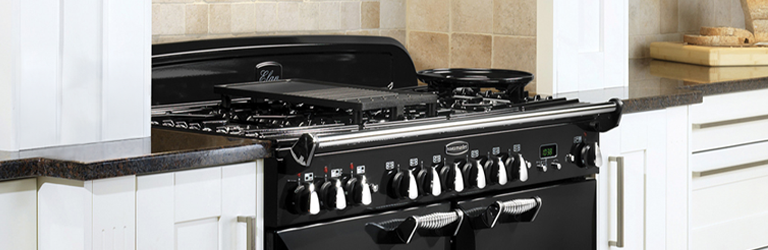
A range cooker is a large, freestanding cooking appliance that combines multiple oven cavities and a hob in one unit. Typically wider than a standard cooker, range cookers offer more capacity and more hob burners, giving you the flexibility to cook multiple dishes at the same time.
They're available in a range of widths, fuel types, and oven configurations to suit different kitchen spaces and cooking styles.
How to choose a range cooker
Wondering where to start? We've broken it down into the following steps:
- How to choose a fuel type
- Choosing the right size
- Choosing an oven type
- Keeping your range cooker clean
1. How to choose a fuel type
The first decision you'll need to make when choosing a range cooker is which fuel type works best for you. Here are your options:
Electric:
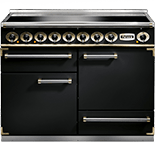
Electric range cookers are a common choice in homes where a gas supply is not available. Most models use fan-assisted cooking to help distribute heat evenly. If you choose electric, you'll have two hob styles to consider: ceramic - smooth, easy to wipe clean - or induction, which heats via electromagnetic induction and requires induction-compatible cookware.
Gas:
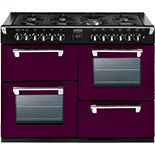
Gas range cookers give you direct flame control, which allows for precise temperature adjustment on the hob. Most gas models include flame failure safety devices as standard. Gas unit rates have historically been lower than electricity in the UK, though running costs depend on your tariff and usage - always check current energy prices when comparing.
Dual Fuel:
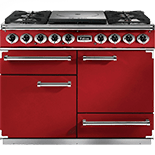
A dual fuel range cooker pairs a gas hob with an electric oven. This gives you direct flame control on the hob alongside fan-assisted heat distribution in the oven. Dual fuel is a practical option if you have access to both gas and electricity in your kitchen and want the cooking characteristics of each fuel type.
2. Choosing the right size
Range cookers have come a long way from the large, one-size models of the past. We stock range cookers in a variety of widths to suit different kitchens and cooking needs:
70cm
A compact option that still delivers range cooker capacity - great for smaller kitchens where you'd like the range cooker experience without taking up too much space.
90cm
The most popular range cooker size. A great balance of hob space, oven capacity, and kitchen fit - suitable for most family-sized kitchens.
100cm
More hob burners and extra oven space for those who regularly cook large or elaborate meals. Perfect for entertaining.
110cm
Ideal for larger kitchens and those who love to cook. More burners, more oven cavities, and more space to work with.
120cm+
The largest range cooker size, offering the most hob space and oven capacity. Well suited to larger kitchens with plenty of room to accommodate a wider appliance.
When measuring up, remember that range cooker manufacturers advise a 5mm recess dimension on either side to allow for important ventilation. Also leave at least 75cm between the hob and any overhead extractor fan for safety.
3. Choosing an oven type
Range cookers often feature multiple oven cavities, and each can offer a different cooking method. Here's a breakdown of the main oven types you'll come across:

Multifunctional Ovens:
A multifunctional oven combines multiple cooking modes - including conventional and fan - in one cavity. This gives you the flexibility to roast, bake, grill and brown using a single oven, making it a versatile option for a range of recipes.

Conventional Ovens:
Conventional ovens have heating elements lower in the cavity, creating clearly defined temperature zones - hottest at the top, cooler towards the bottom. This makes them excellent for baking, where you may need different items cooked at slightly different temperatures simultaneously.

Fan Ovens:
Fan ovens use a fan to circulate heat throughout the cavity, producing a more consistent temperature across all shelf positions. Cooking times can be shorter than in conventional ovens, and pre-heating is generally quicker.

Fan Assisted Ovens:
Fan-assisted ovens have heating elements at both the top and bottom of the cavity, with a fan to distribute the heat more evenly. The temperature tends to be slightly higher at the top, which can help brown and crisp the surface of pies, meats, and similar dishes.
4. Keeping your range cooker clean
Range cookers are built to handle a lot of cooking, so it's worth knowing how the oven liners work before you buy. There are three main types:

Enamel Liners:
Enamel-lined ovens have a smooth, coated surface that makes food and grease easier to wipe away. They require manual cleaning but are a low-maintenance option that is straightforward to look after.

Catalytic Liners:
Catalytic liners have a porous coating that absorbs grease during cooking, which is then burned off at high temperatures (typically around 200°C). This reduces the need for manual scrubbing. Catalytic liners will eventually need replacing, and replacement panels are available separately.

Pyrolytic Liners:
Pyrolytic cleaning heats the oven to around 500°C, burning grease and food residue down to ash. Once the cycle is complete and the oven has cooled, the ash can be wiped away with a damp cloth. This reduces the amount of manual cleaning required compared to enamel or catalytic liners.
Range Cooker FAQs
You may still have questions. Below, we've included the most frequently asked questions from our customers. If your question isn't here, please get in touch with our team of experts and we'll be happy to help.
Which fuel type should I choose for a range cooker?
It depends on your cooking preferences and kitchen setup. Gas hobs offer direct flame control and precise temperature adjustment. Electric fan ovens distribute heat evenly throughout the cavity. A dual fuel cooker combines a gas hob with an electric oven, giving you the characteristics of both. Consider which cooking style suits you and whether you have access to a gas supply before deciding.
What size range cooker should I get?
The right size depends on your available kitchen space and how much oven and hob capacity you need. Measure the space carefully before purchasing, and remember to allow for the recommended 5mm ventilation recess on each side. Wider models offer more burners and oven capacity but require more room.
What is the difference between a fan oven and a fan-assisted oven?
A fan oven uses only a fan to circulate heat for a consistent temperature throughout the cavity. A fan-assisted oven has heating elements at the top and bottom as well as a fan, giving slightly more heat at the top - which is useful for browning and crisping.
How should I install a range cooker?
We recommend using a specialist to install your new range cooker. For gas and dual fuel models, you must use a Gas Safe-registered engineer to connect the appliance. Use our installation service at checkout for a straightforward process.
How much clearance do I need above a range cooker?
You should leave a minimum of 75cm between the hob surface and your overhead extractor fan. This ensures safe ventilation and helps your extractor perform effectively.
Can I recycle my old cooker?
Yes - we can collect your old appliance at the same time as delivering your new range cooker. Select our recycling service at checkout to make the process as easy as possible.

 Added to your basket
 You've added an item to your basket.