











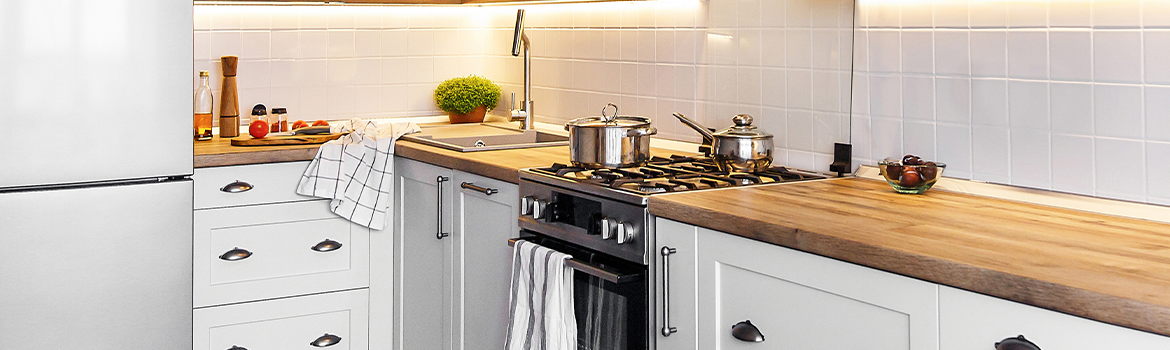
Cooker Buying Guide
Jump to:

Cooker Buying Guide
A cooker is an essential part of your kitchen, whether you love trying out the latest recipes or need a convenient way to cook quick meals for the family, choosing the perfect cooker to suit you is crucial. There are lots of elements to consider when choosing your new cooker, including fuel type, oven and hob types, and more.
We'll take a closer look at how you can find the best appliance to suit your space below.
What is a cooker?
Simply put, a cooker is a combination of both an oven and a hob. It's a versatile appliance that allows you to prepare your favourite tasty dishes with ease. Use your hob to boil or fry, while your oven bakes and roasts. It's a great, space-saving all-in-one solution for everyday, making your time in the kitchen feel seamless and enjoyable.
You can choose a cooker with a combination of different fuels, for example, a gas hob with an electric oven, or a cooker that uses just gas or electricity. There's also the option of having a single or double oven, depending on how much space you need.
If you're looking for a new cooker or a replacement, read our guide below to help you find a great option.
How to choose a cooker
Wondering how you're going to choose your new cooker? We've broken it down into the following steps:
- What is the difference between a cooker and an oven?
- How to choose a fuel type
- Single, double, or grill?
- Choosing an oven type
- Choosing a hob type
- How do I choose a cooker size?
- How to measure for a new cooker
- Cooker features to consider
- Cooker energy ratings
- Pick your colour
- Cooker brands
1. What is the difference between a cooker and an oven?
So, what's the difference between a cooker and an oven? A cooker is a complete appliance that combines a hob and an oven in one. It's designed to be able to handle a range of cooking methods, like boiling, frying, baking, and roasting.
An oven is just one appliance, without the hob, that bakes, roasts and grills. Unlike a cooker, ovens don't have hobs on top.
Simply put, a cooker combines an oven and a hob; an oven is one single appliance.
2. How to choose a fuel type
The first decision you'll need to make when choosing a cooker is what type of fuel would work best for you. Here are your options:
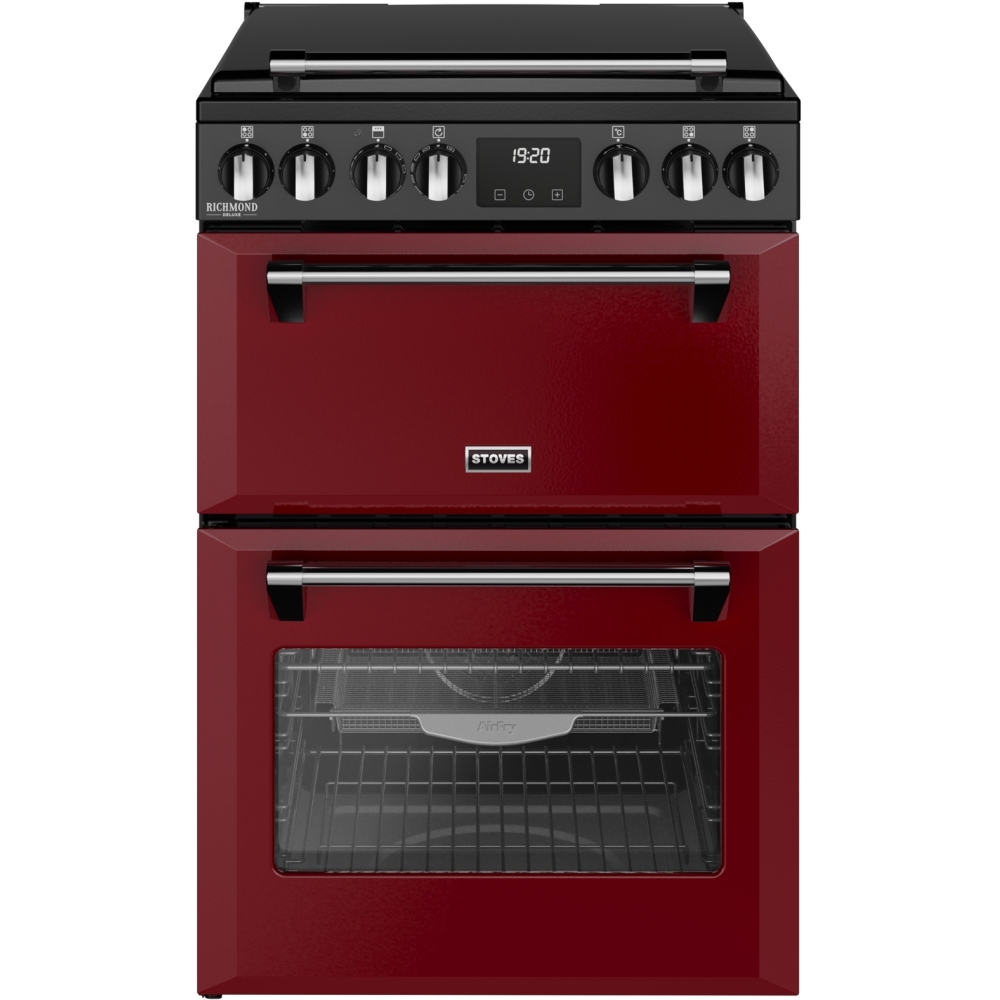
Electric:
Electric cookers are the most popular choice for modern kitchens and cooks. Most models use fan-assisted cooking to distribute the heat and cook food evenly. You can choose to combine your electric cooker with a range of different hob types like ceramic, induction or solid plate (more on these below).
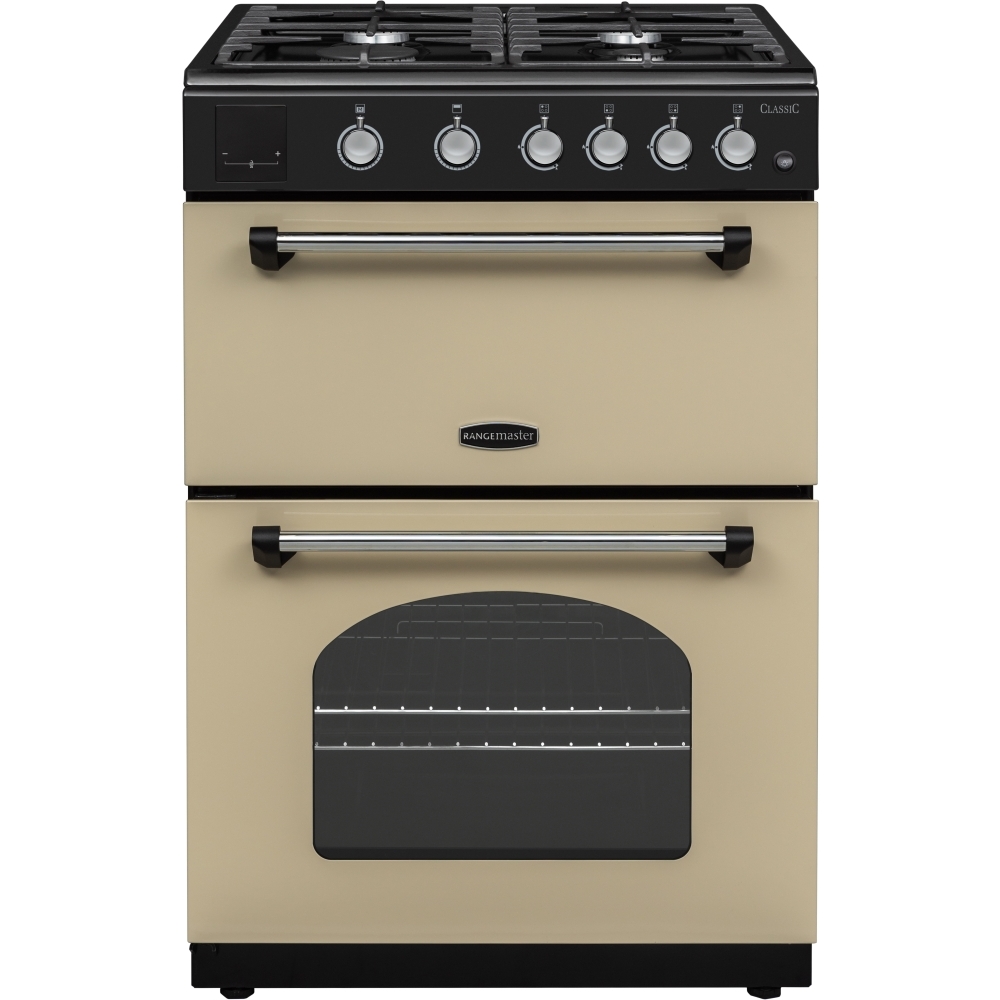
Gas:
Gas cookers are usually preferred by chefs and foodies because the hob provides instant heat and precise temperature control. The oven in a gas cooker heats up to the right temperature quickly for convenient cooking in no time at all. Running costs are usually cheaper with gas than with other fuel types.
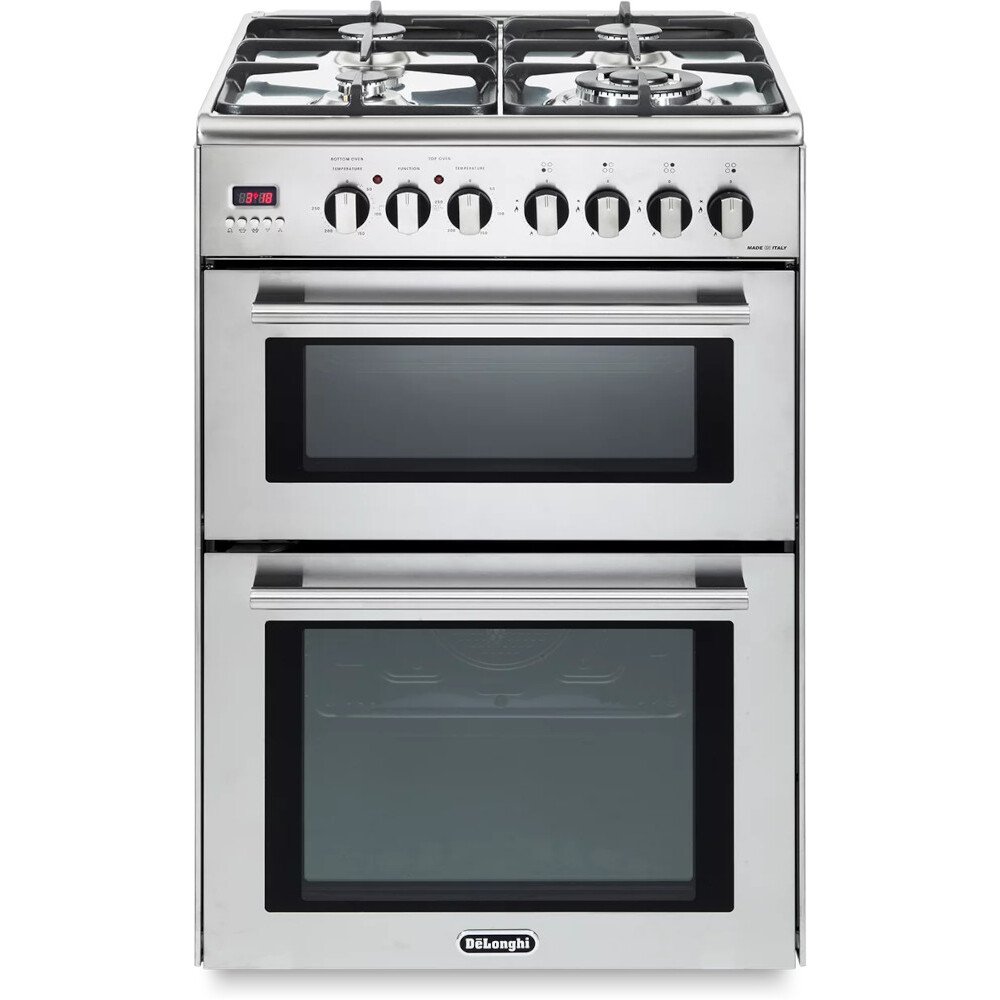
Dual fuel:
A dual fuel cooker combines the best elements of the other two fuel types. The gas hob on top offers instant heat and precise temperature control, while the electric oven component of the appliance helps to ensure that your meals are evenly cooked by using fan-assisted technology to distribute heat.
3. Single, double, or grill?
The next factor to think about is whether you'd prefer a single, double or grill cooker. Let's look at the differences:
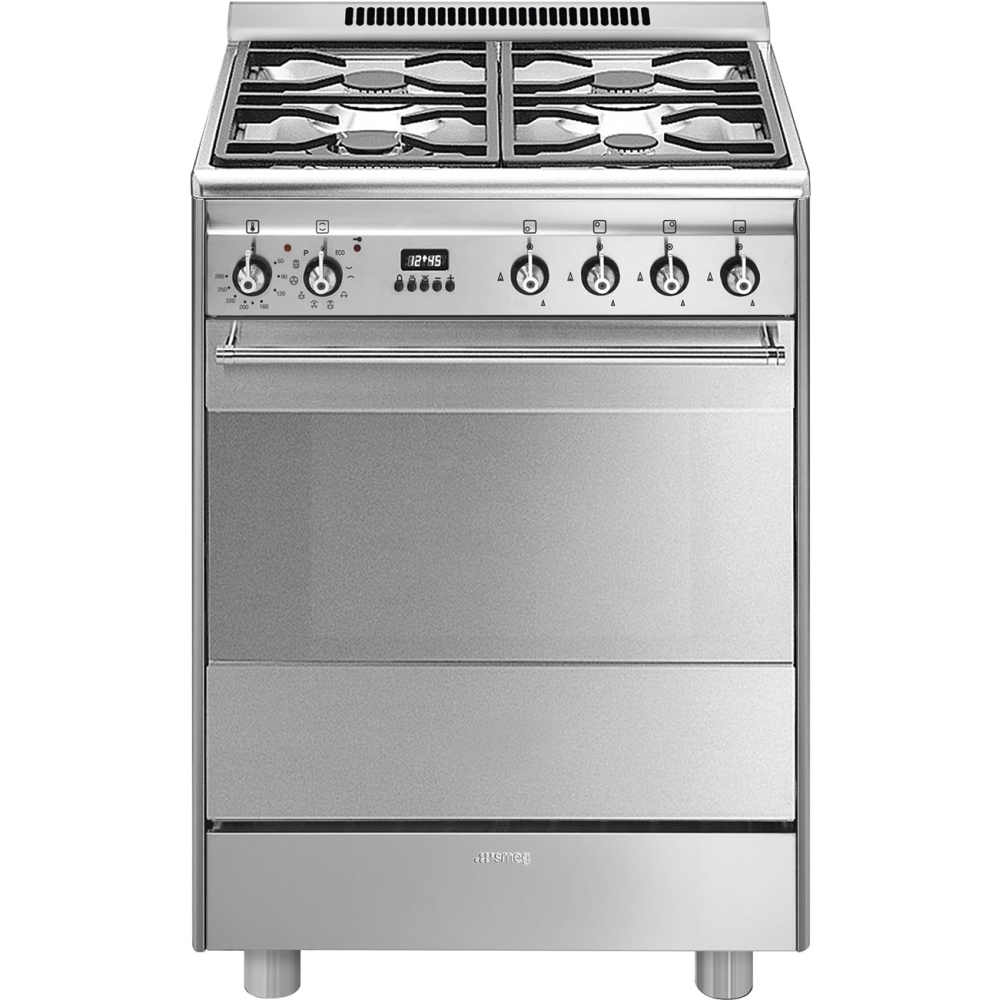
Single:
A great space-saving option. Comes with one oven cavity and combines an oven and grill. Choose a capacity from 40-litre models up to 100+ litres. There are gas, electric and dual fuel cookers available.
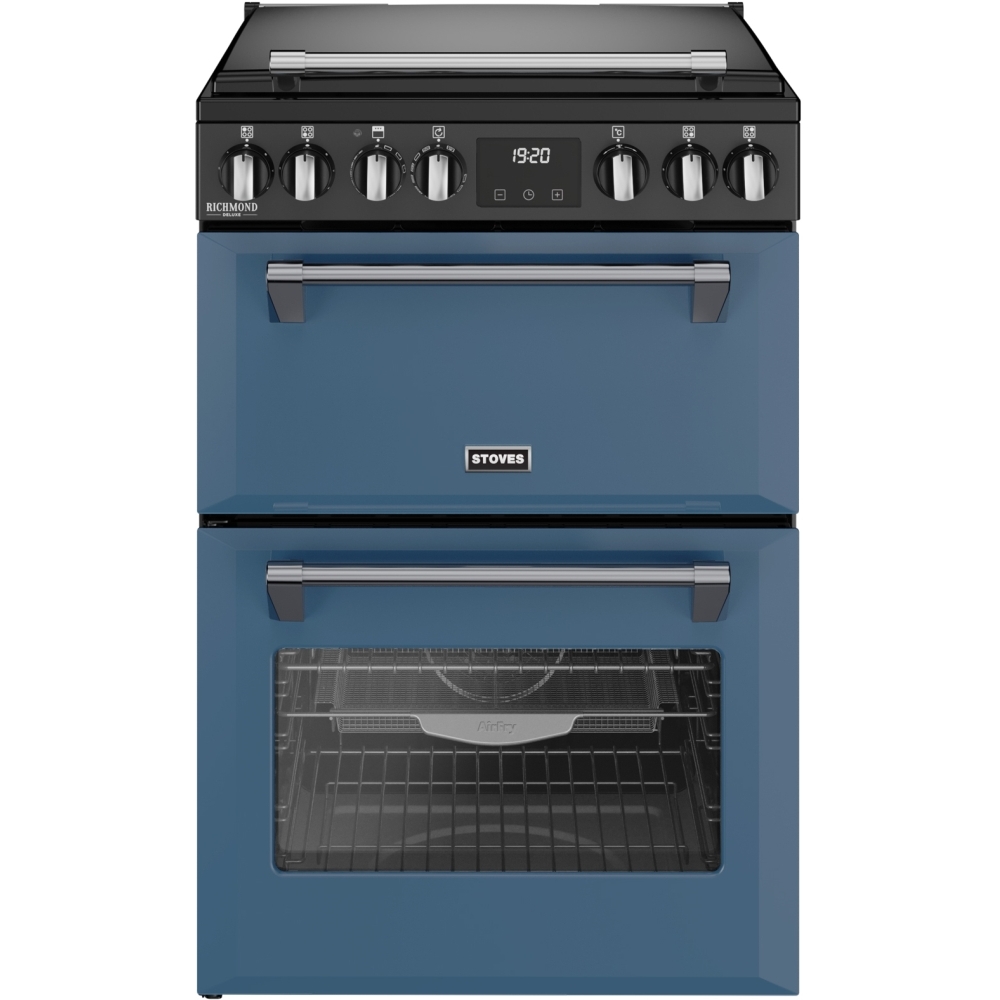
Double:
A great option if you always have more than one dish on the go. Comes with two oven capacities, with a smaller oven on the top (35-60 litres) and a larger oven below (50-75 litres).
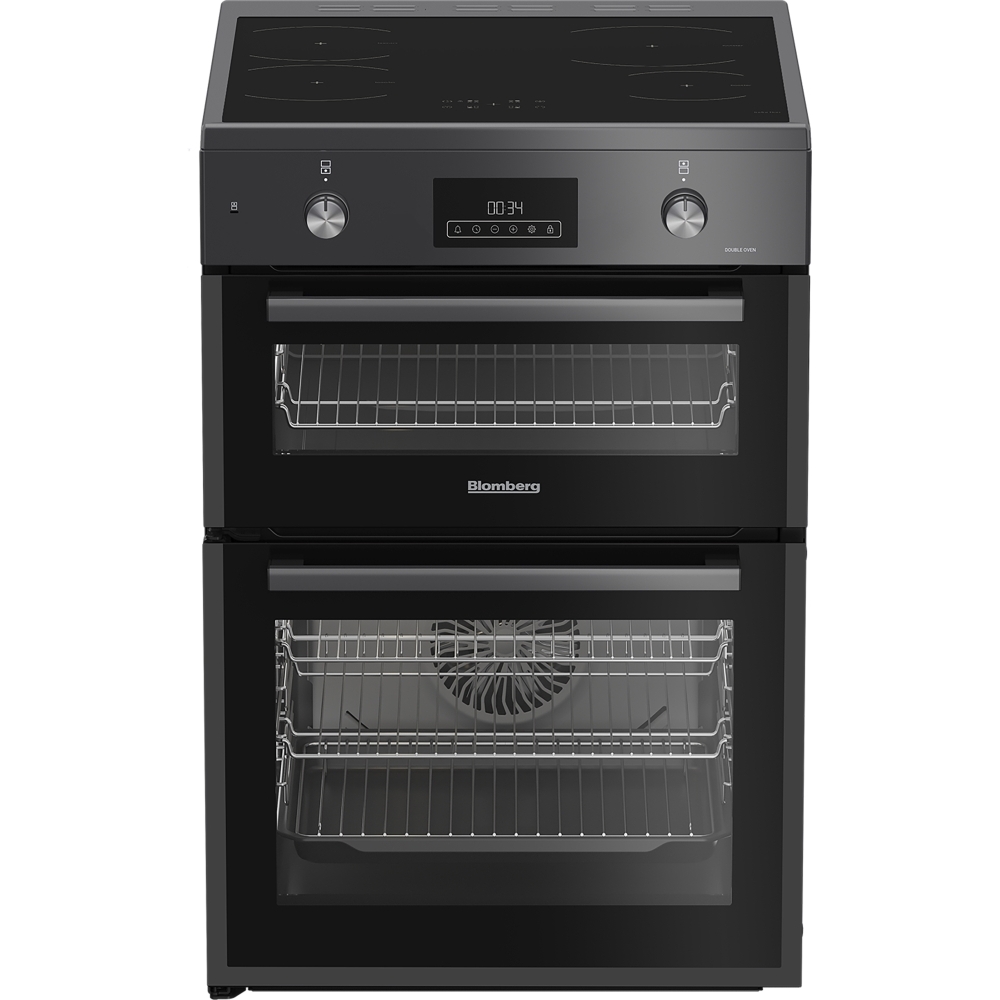
Grill:
Great if you juggle a few dishes at once. Made up of a grill cavity on the top and an oven on the bottom. The oven ranges from 60-70 litres, and the grill is typically 25-35 litres.
4. Choosing an oven type
Once you know which fuel type and capacity you're after, the next step is to think about cooking functionalities you'd like the oven(s) to have, such as fan-assisted technology. There's a wide variety of oven types to choose from, each of which offers different cooking capabilities.

Fan oven cookers:
evenly distribute heat for perfectly cooked meals.

Conventional heating cookers:
two separate heating elements at the top and bottom of the oven, great for cooking multiple dishes at once.

Grill cookers:
great for grilling and crisping up meals. Heat all or half of this grill.

Fan cookers with grills:
ideal for versatile cooking. Cook meals in the lower fan oven while grilling on top.
5. Choosing a hob type
You have several different hob types to choose from with electric cookers:
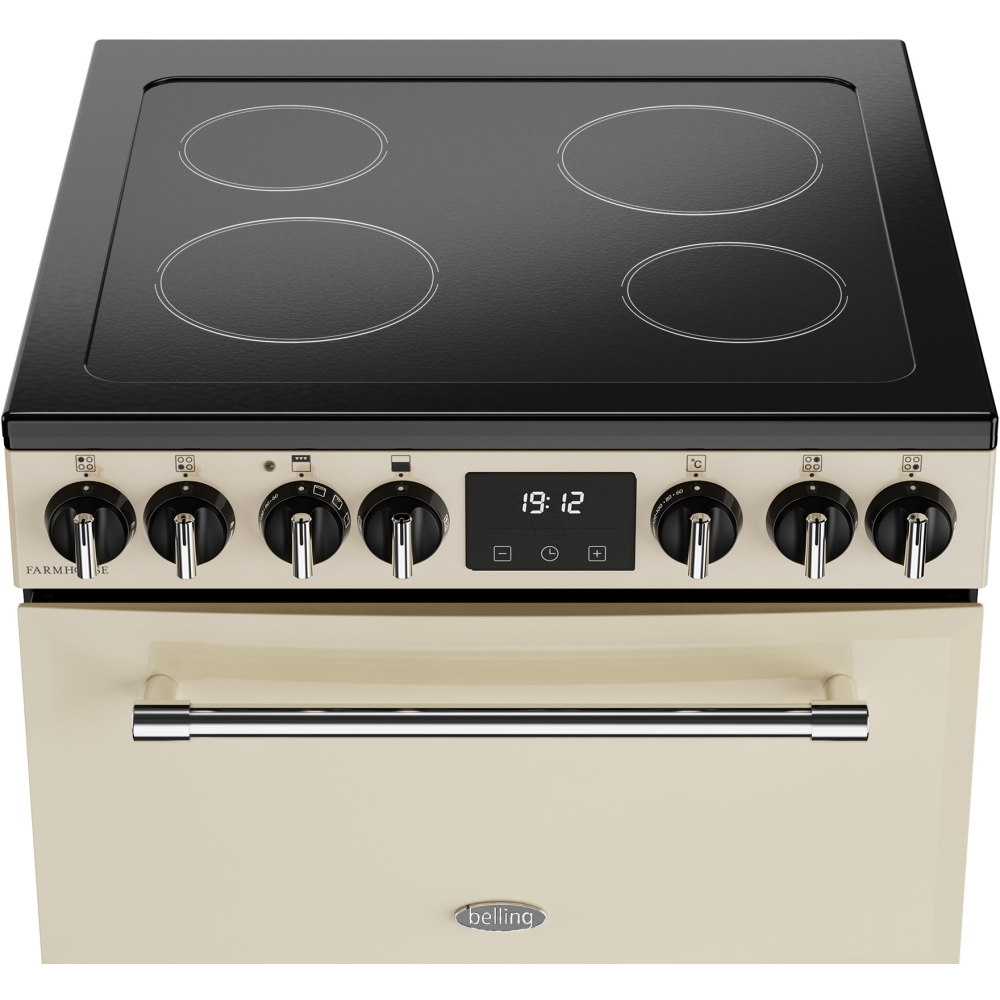
Ceramic hob:
Made of smooth ceramic glass, ceramic hobs are easy to cook with and wipe clean. They look sleek and tidy.
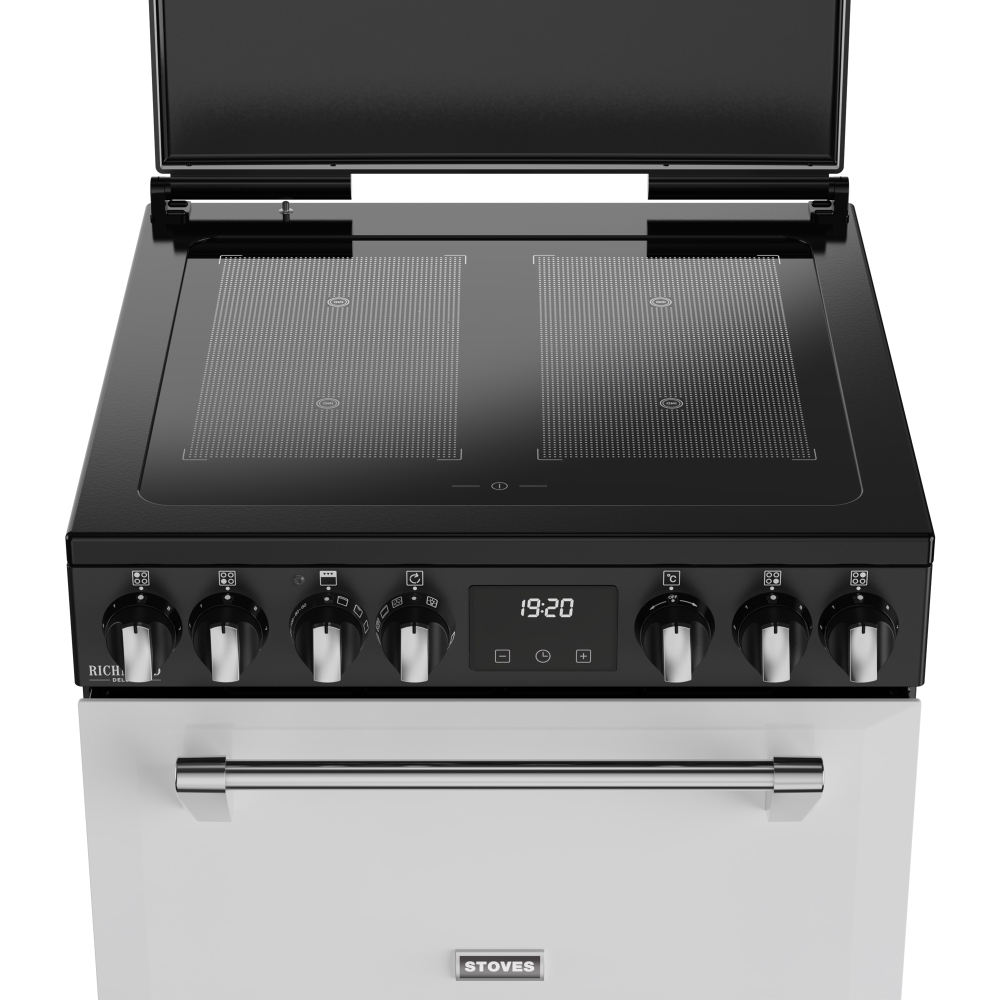
Induction hob:
These hobs heat using electromagnetic induction, so you'll need to use special induction saucepans. They're stylish, safe, and energy-efficient.
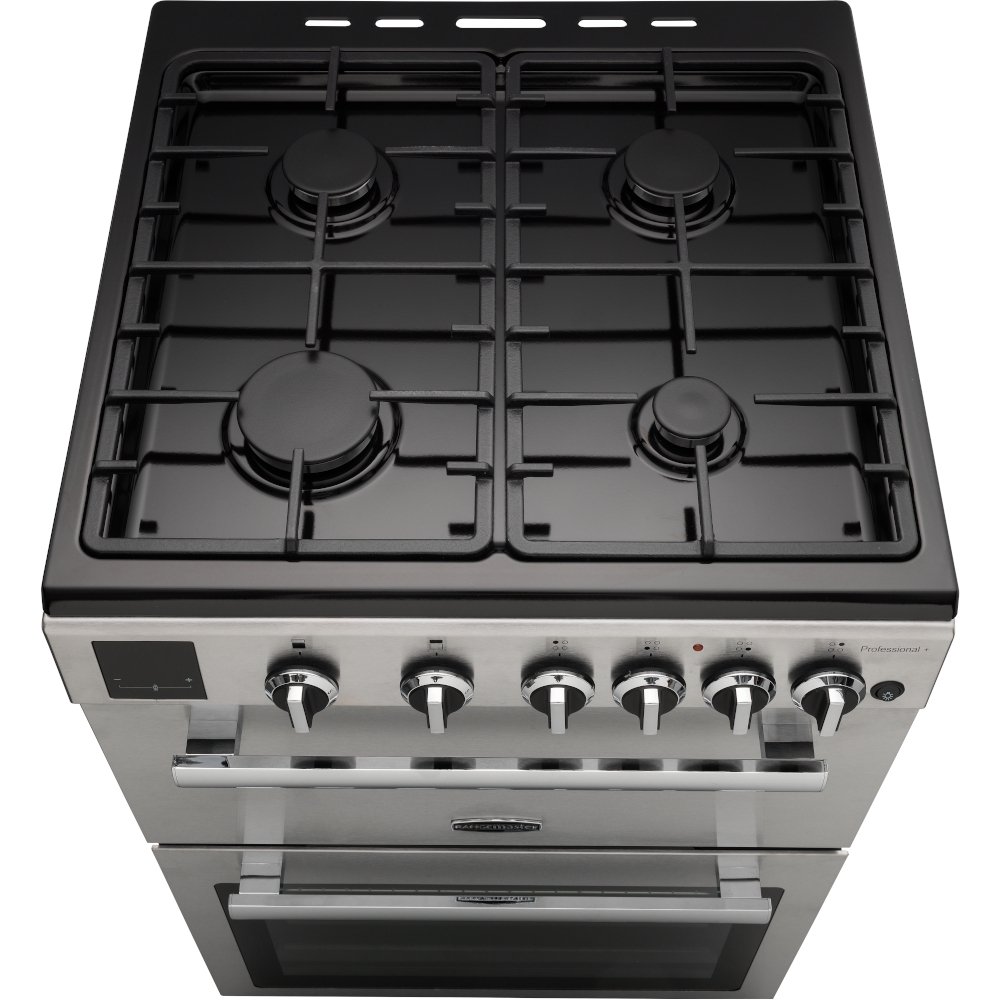
Gas hob:
Gas hobs allow for more temperature control. The running costs of these hobs are typically lower than with other fuel types.
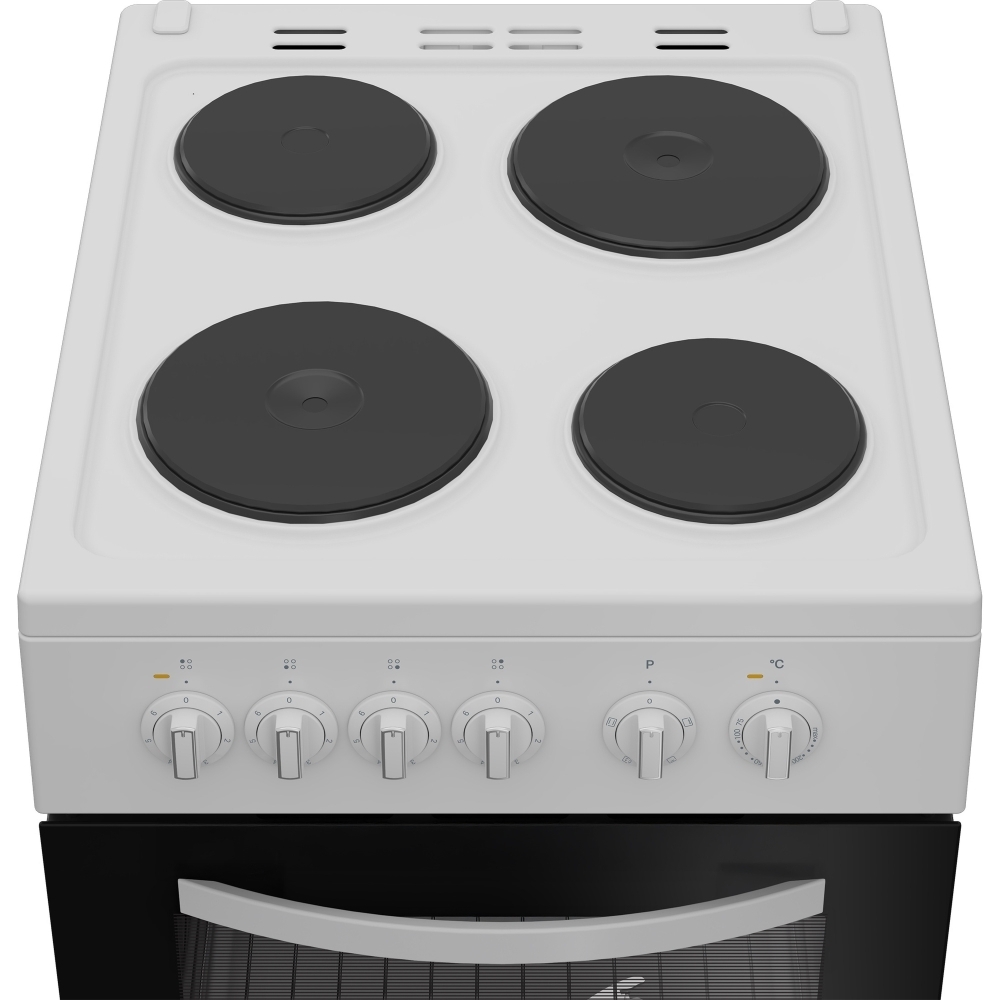
Sealed Plate hob:
These hobs have plates that heat your pans directly using electric elements. They heat evenly, but can take longer to heat up and cool down
6. How to measure for a new cooker
All cookers have roughly the same heights and depths at around 90cm tall and 60cm deep. These standardised cooker sizes ensure that your new appliance will fit in neatly with standard kitchen cabinets, and also make it simpler to replace an old one.
There are three different widths to choose from when it comes to the size of your new cooker: 60cm, 50cm and 55cm, depending on your space.
It's important to make sure your new appliance will fit snugly into your kitchen design. Follow these steps to measure for a new cooker:.
- Measure the depth of the area where you plan to position the cooker. You'll need at least 63-65cm to accommodate a standard cooker (60cm deep) plus a few centimetres for pipes and/or plugs at the back, depending on the fuel type.
- Measure the height of the space. Cooker heights range from 85cm to 92cm - as you shop, check that there'll be enough room for your appliance, leaving 75cm between the hob and your extractor fan for ventilation and safety.
- Measure the width of the available space, allowing a few extra centimetres so the oven door can be opened easily. Choose an appropriately sized 50cm, 55cm or 60cm cooker based on this measurement.
- Once you've chosen a cooker that will fit perfectly, select the installation service at checkout to make the process easier.
7. Cooker features to consider

Power Boost:
Some cookers feature a Power Boost setting, which means you don't have to wait for your cooker to heat up. Boil and fry in seconds, great when you're in a rush.

Child Lock:
Cookers come with enhanced safety, so you don't have to worry about little hands. Cook for the family with peace of mind.

Easy Cleaning:
Cookers come with wipe-clean enamel or a catalytic lining that burns off dirt as you cook, for a pile of ashes you can simply wipe away.

Defrost Mode:
Some cookers come with a defrost mode-without heating the inside. The appliance circulates air around the oven to ensure your food defrosts quickly and evenly.

Warming Function:
Keep your food at the perfect temperature without overcooking. It's also a great way of warming your plates ready for serving.

Eco-friendly:
Choose an eco-friendly cooker to reduce your utility bills and do your bit for the environment. Look for energy ratings on our cooker listings.
8. Cooker energy ratings
Cooker energy ratings range from A+++ to D, with A+++ being the most energy-efficient. Choosing a cooker with a good energy rating will help you to do your part for the planet and also save on your energy bills.
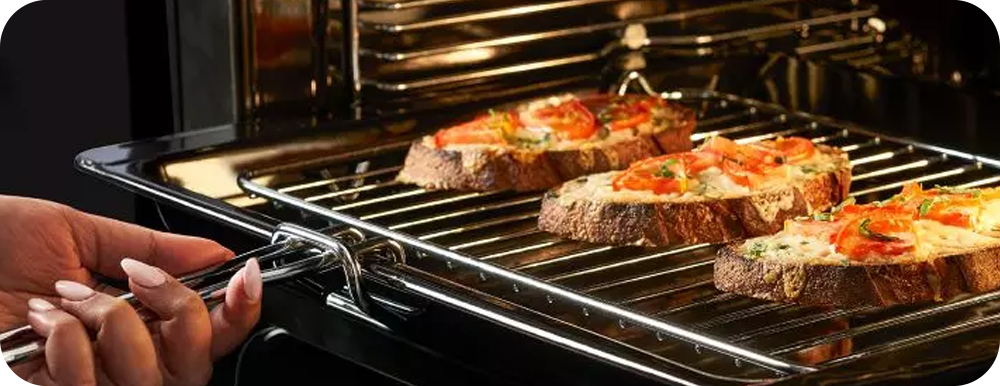
9. Pick your colour
With the type and features of your new cooker taken care of, you might want to think about which colour to go for.
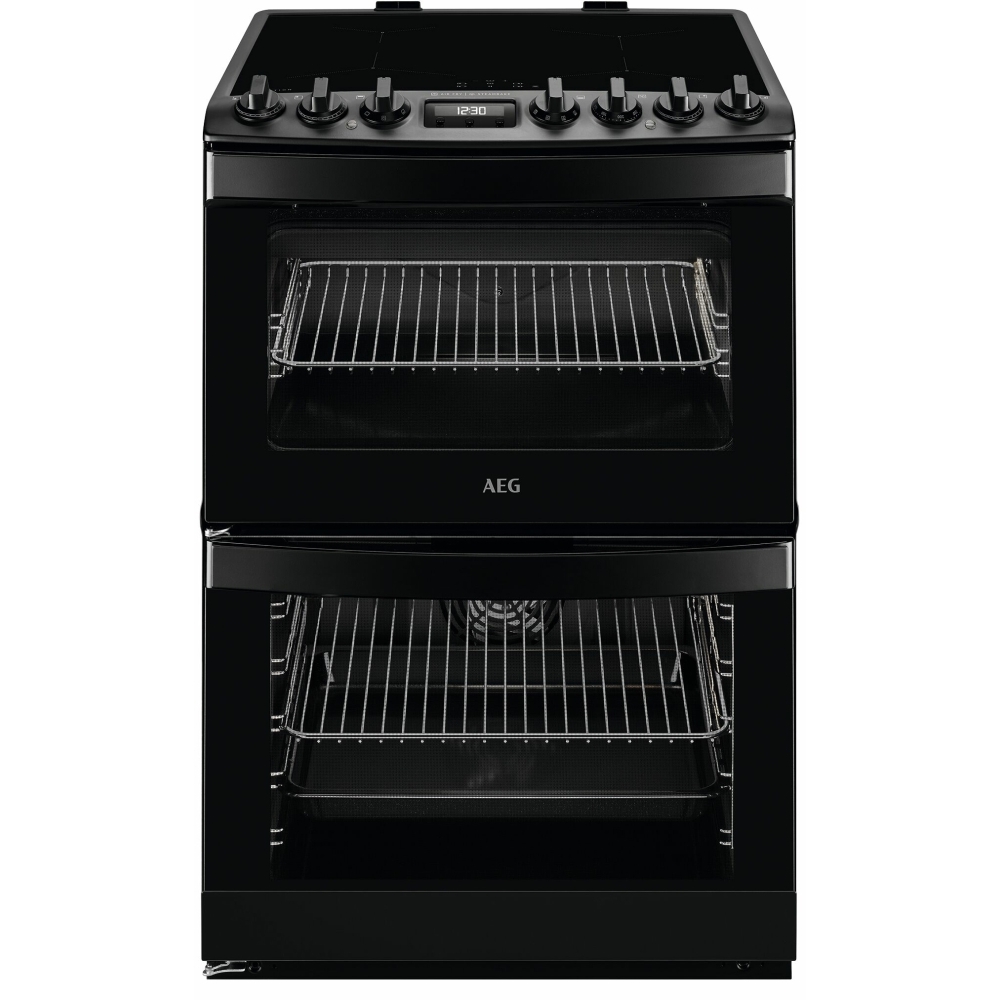
Black
Great for matching different colour schemes, and if you're looking to add a modern touch to your decor. Also, a great choice for easy cleaning.
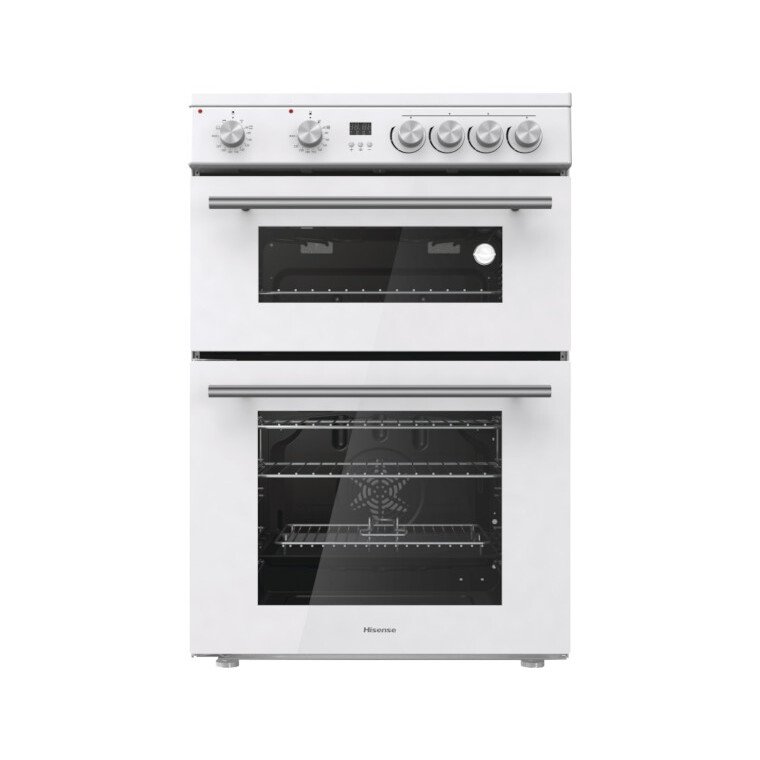
White
Creates an illusion of space, great for small kitchens.
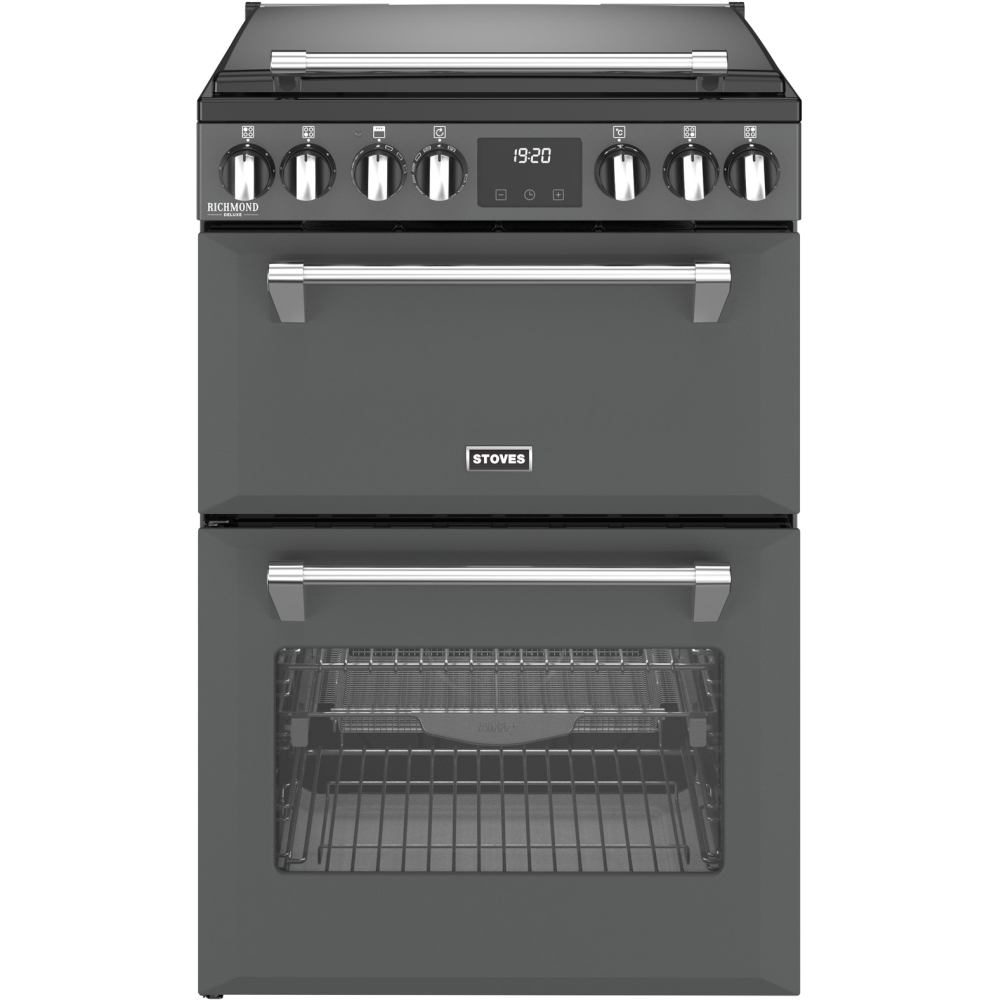
Grey
Create a contemporary space with stainless steel; they're also durable and fight off rust and germs.
There are also cream, grey, and red cookers if you'd prefer something a little different.
10. Cooker brands
We stock a wide variety of trusted cooker brands, so you're bound to find something to suit your home. Enjoy the latest cookers from the biggest brands, including AEG to Beko, Bosch and more.
Buying a new Cooker FAQs
You may still have questions to ask. Below, we have included the most frequently asked questions from our customers. If your question is not here, please get in touch with our team of experts, and we'll be happy to help.
Which fuel type should I choose?
An electric cooker with fan assist is the best choice for cooking meals evenly throughout, although a gas cooker gives you a hob with accurate temperature control and an oven that heats up rapidly. For the best of both options, you could choose a dual-fuel cooker.
Which type of hob should I choose for my cooker?
Consider the style you're going for and how you'd like to cook. Ceramic and induction hobs look sleek, plus they offer even cooking and are easy to wipe clean. If you're looking for the most accurate temperature control, then a gas hob is the way to go.
What is the hot zone?
The hot zone is the area around your kitchen hob. There needs to be a minimum distance of 75cm between the hot zone and your extractor fan for ventilation and safety.
How should I install a new cooker?
We recommend using a specialist to install your new cooker - and for gas and dual fuel cookers, you must use a Gas Safe-registered engineer to connect up the appliance. Use our installation service for an easy process.
What should I put on the wall behind the cooker?
If your new cooker doesn't come with a lid, it's advisable to use a splashback panel to keep your walls clean. They come in different materials, with options including glass, stainless steel, marble, and laminate
Alternatively, you can also use tiles as a splashback or install a cover made from the same material as your worktop for a seamless look.
Can I recycle my old cooker?
Yes, you can recycle your old cooker with our recycling services. To make things easier for you, we can collect your old appliance at the same time as delivering your new one.

 Added to your basket
 You've added an item to your basket.