












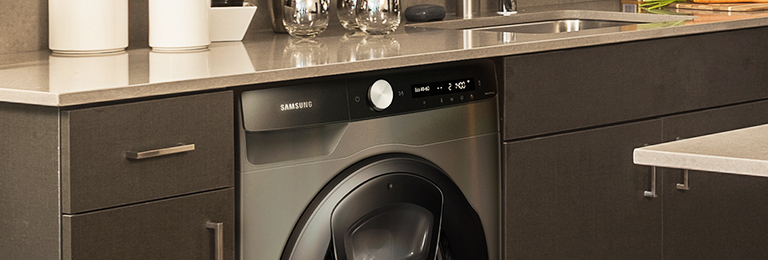
Washing Machine Buying Guide

Washing Machine Buying Guide
When trying to pick out the best washing machine for your home, take your time and do your research. From drum size and dimensions, to spin speed and smart functions, washing machines come in a whole range of shapes and sizes. They can also be paired with a number of shiny features, programmes and cycles - but what does it all mean?
In our washing machine buying guide, we'll take you through everything you need to know before buying a washing machine.
What is a washing machine?
Quite simply, a washing machine is an appliance that is used to wash laundry.
Dirty clothing is added into the drum of the machine, which is then filled with water and a laundry detergent of choice before it spins at extremely fast rates to effectively remove any dirt. The spin speed and amount of laundry your washing machine can handle will depend on the model (more on this later).
The washing machine will also have a number of different features which determine the type of wash your clothes will receive, from a delayed start to anti-stain technology. These are details you'll want to consider before buying your new appliance.
If you've never used a washing machine before, you can check out our guide on how to use a washing machine.
How to choose a washing machine
Choosing a washing machine can seem daunting at first, especially when you see just how many options are available! Don't worry, though; we've broken down how to choose a washing machine into 7 simple steps:
- Decide on your washing machine type
- Pick your drum size
- Select a spin speed
- Choose your energy rating
- Identify your must-have features
- Select a preferred colour
- Shop for your preferred brand
1. Decide on a washing machine type
Before you consider your new washing machine's shiny additional features, you need to figure out which type of washing machine you need: freestanding or integrated.
Take a moment to think - where will your washing machine be placed? Would you rather it fit under a kitchen counter or be hidden neatly behind a cupboard door? Perhaps you'd like to have more flexibility and place the appliance in a utility room. Wherever you decide, let's help you choose the best type of washing machine to suit your home.
Freestanding washing machines
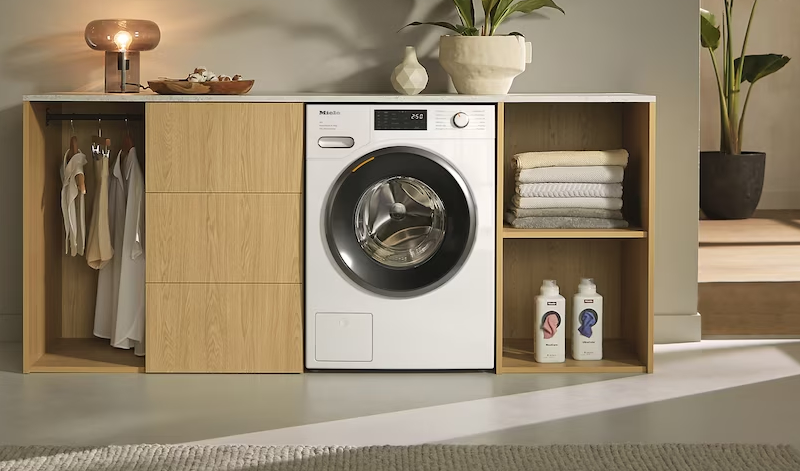
A freestanding washing machine gives you more options when choosing where to place your appliance, though it'll need to live somewhere with water supply and drainage.
You'll also find that freestanding models are often perfectly sized to fit underneath a counter, but they can also sit on their own if that's what you prefer.
Essentially, a freestanding model is an ideal choice for those who need flexibility - just make sure you're happy with having your machine on show at all times.
Integrated washing machines
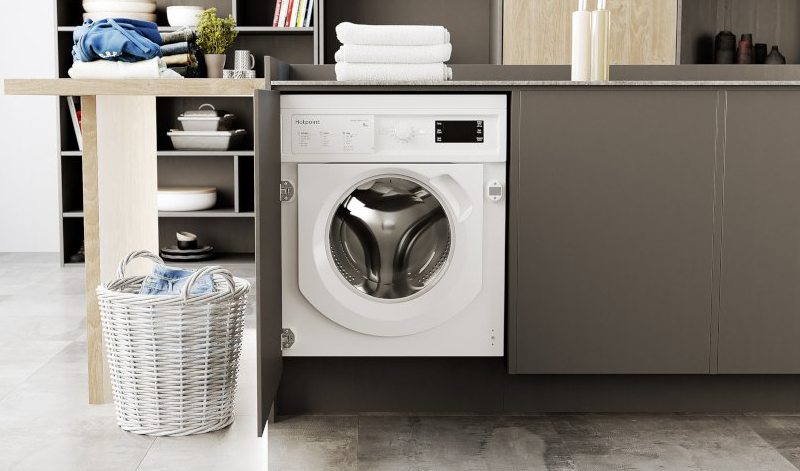
An integrated washing machine is placed underneath a counter and hidden with a door panel. These models are perfect for those who want a contemporary look that seamlessly matches the rest of the room.
Also known as 'built-in' washing machines, these models are often smaller in size, which may mean less choice when it comes to additional features. You may also need to enlist the help of a professional for installation.
2. Pick your drum size
The majority of washing machines have the same standard height and width, but when it comes to depth and drum size, you have different options to choose from.
Capacities range from 5kg to 13kg, meaning you can opt for a model that suits your lifestyle and typical laundry load. Think about how much laundry you'll be washing on each load and don't forget about heavier items such as towels and duvets.
- 5-7kg - ideal for one or two people, or those with lighter wash loads
- 8-9kg - perfect for the average family
- 10kg+ - great for larger families, or those who need to regularly wash bulky items
Find a washing machine that makes sense for your lifestyle by clicking on the different capacity loads below:






3. Select a spin speed
Spin speed refers to the speed at which the washing machine's drum rotates per minute. You'll find washing machines with speeds between 1,000 and 1,600 rpm.
The higher the spin speed, the drier your clothing will be at the end of the wash cycle. This can help you achieve better energy efficiency as you won't have to rely as much on a tumble dryer or central heating to dry your clothes.
With that in mind, any speed between 1,200 and 1,400 rpm will do a great job, but 1,600 rpm may be helpful if you don't own a tumble dryer. Remember, you'll need to use a slower spin speed for materials that require a little more care, such as wool and delicates. Shop by spin speed by clicking on the buttons below.
4. Choose your energy rating
If choosing an eco-friendly washing machine is important to you, there are a number of factors you should consider, such as the annual water and energy consumption of your chosen model.
Look out for the machine's energy rating (graded A - F) to find out how energy efficient that particular model is. Generally, appliances with a grade of C or above will use a number of energy-saving features to provide powerful results while taking the environment into account.
You can learn more about these ratings and what they mean in our helpful energy rating labels guide. We also have a guide on how much water a washing machine uses, as well as how much it costs to run a washing machine.
5. Identify your must-have features
As technology has developed over time, washing machines have benefited from a range of additional features to make your life easier. For busy families or eco-conscious individuals, we've listed a range of key features to consider when buying your new washing machine.
If any of the following are important to you, find a machine that offers these features when buying a washing machine.
Quick wash
Quick wash gives you the ability to put on a small load of laundry and be finished in 15-30 minutes. This feature tends to use a little more energy than standard washes, so it's best used for last-minute loads only.
Delay start
Delay start allows you to set your washing machine to begin the wash cycle at a particular time. This is particularly helpful if you'd like to use electricity tariffs when they are cheapest or to coordinate the wash around your working hours.

Smart features
Smart washing machines can be controlled from an app on your smartphone or tablet using a Wi-Fi connection. That means you can start, stop and pause loads, as well as receive alerts and personalised washing advice in the palm of your hand.
Steam technology
Hate ironing? Then you'll want to make sure your machine has steam technology. This feature means clothes are steamed after washing, relaxing the creases and giving them the perfect moisture level ready for easy ironing. It's also more hygienic as it helps to kill off allergens, such as dust mites, and odours.
Auto dosing
Some washing machines can measure and release the perfect amount of washing liquid needed for each load. Simply fill up the appliance with the maximum amount of detergent and let this handy feature take care of the rest.
Quiet
If you need a quieter washing machine, prioritise models with low decibels. Look out for additional noise-reduction features, such as inverter motors, anti-vibration technology and brushless motors.
Drum light
Some washing machines come with a special drum light (an LED light fitted within the drum of the appliance). This handy feature turns on to help you see all of your clothes when you're doing the laundry, whatever the time of day. Avoid losing small items that are stuck to the side of the drum and say goodbye to odd socks!
Specialised programmes
Some appliances have specialised programmes for certain clothing types. Sportswear programmes wash microfiber clothing at a lower temperature, while effectively removing stains and sweat marks. Washing machines with a wool programme use low temperatures and spin speeds to keep wool-based clothes free from damage.
6. Select a preferred colour
Whether you've opted for a freestanding or integrated model, you'll want to make sure your new washing machine fits in seamlessly with its surroundings. Below we've listed three of our most popular colours and their benefits:
Black
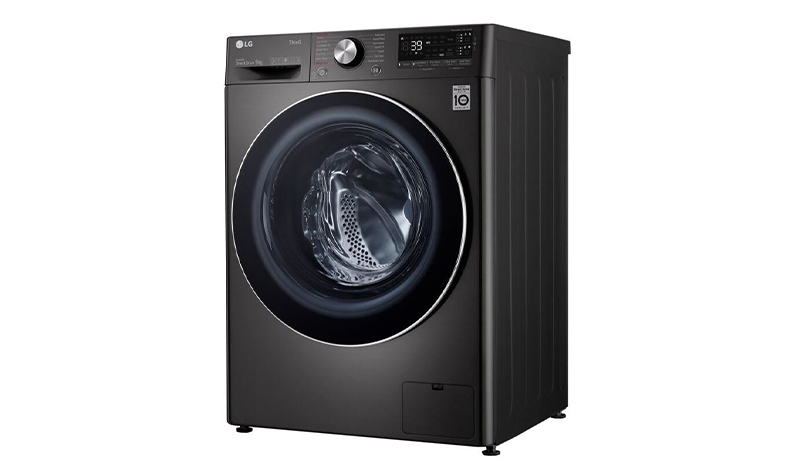
Black washing machines give a sleek, contemporary feel which is ideal for darker-toned kitchens. Black can also be paired with other colours, making it easy to integrate into your home with your other existing appliances.
White
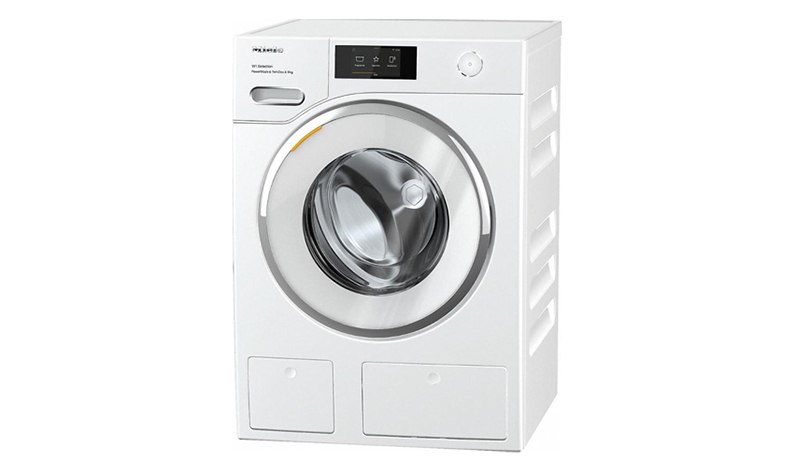
Classic white washing machines are a great choice if you have existing light-coloured appliances and room décor. In fact, white is a particularly popular colour due to its versatility and ability to brighten up a room.
Grey
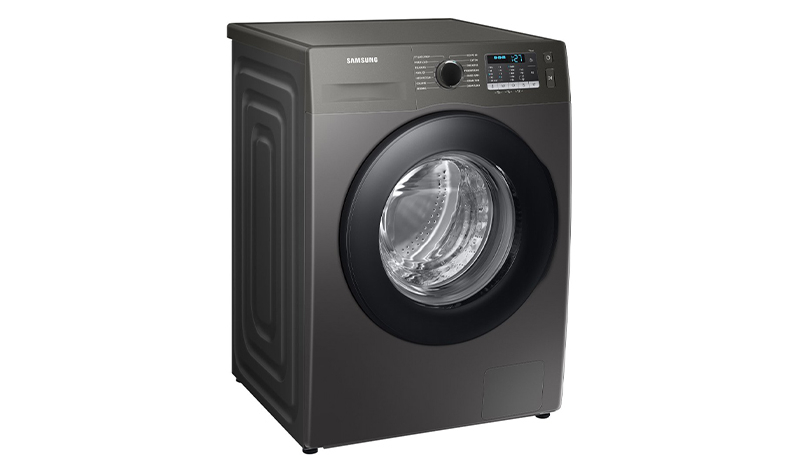
Grey washing machines are a little softer on the eye than black, while still holding a modern aesthetic. This is a good option for both freestanding and integrated models, as grey easily blends into its surroundings.
7. Shop for your preferred brand
Now you've learned what to look out for when choosing your washing machine, you have a wide variety of trusted brands to choose from. Pick your favourite or find the brand that delivers the particular features, colour, size and functionality you're looking for.
At Marks Electrical, you'll have a huge range of washing machines to choose from, including options from Miele, LG, Hoover, AEG, Bosch, Indesit and more.
Washing machine FAQs
By following the seven steps above when buying a washing machine, you can be confident that you're buying the right one.
Still have some questions? We've included answers to the questions our customers often ask when buying a washing machine. If you can't find the answer to your question, not to worry; simply get in touch with our friendly team.
Can you pause a washing machine halfway through a wash?
If you've found yourself with dirty laundry you've forgotten to include in the wash, some washing machines will include an additional feature which allows you to pause the cycle and reload. Look out for features such as Add Wash, Add Laundry and Reload.
Do washing machines come in standard sizes?
Yes, most models come with a standard height and width - it's just the depth that differs. Freestanding models have standard measurements of 85cm x 60cm (height x width), whereas integrated models have standard measurements of 82cm x 60cm (height x width).
What is the difference between a freestanding and an integrated washing machine?
An integrated washing machine is 'built-in' to your kitchen cupboards, meaning it should slot in seamlessly and be covered with a cupboard door. Freestanding models can also sit under a countertop, or anywhere with water supply and drainage, however they are not covered.
Is there a washing machine that can choose the correct cycles automatically?
Yes, look out for washing machines that have sensor functionality. Depending on the brand, the feature will vary in name with technology such as KG Mode or ProSense. Essentially, these features will automatically weigh each load and adjust the programme settings to give you the best wash each time.

 Added to your basket
 You've added an item to your basket.