












Choosing The Best Oven For Baking

Choosing The Best Oven For Baking
Choosing the best oven for baking can be difficult, there are many different ovens that work better for some types of cooking than others. It can be hard to choose the right one. We've broken down each oven by type so you can see the pros of each one and which is the best suited for you.
This guide will break down all the different types of ovens such as gas and electrical and which of these is best for baking. As well as exploring whether convection ovens or steam ovens are better for baking bread and cakes.
Which type of oven works best for baking?
There's a variety of ovens available, from traditional gas ovens to electric ovens for baking. It can take time to decide which one is best for baking, especially with the additional size options of a double oven for when you have the extra space and single ovens for when you're tight on space.
Although they can be a little more expensive, ovens that come with Wi-Fi connectivity and a whole host of features that can make baking simple and easy. Whether you're an avid baker, or just starting out, below we explain the different types of ovens and their benefits to help you decide which is best for your kitchen or the types of baking you want to do.
Gas ovens for baking
For a long time, gas ovens have been the go-to choice for professional bakers. Gas ovens work by heating the oven with a gas flame which heats the air inside the oven and is then circulated around. Because of this, gas ovens evenly distribute the heat around the oven, meaning the baking dish is cooked evenly.
Another important feature when baking is its precise temperature control. The ability of the gas oven to make small adjustments in temperature gives more control during the baking process. Gas ovens give you more control over the temperature than other types of ovens.
Our pick of the best gas ovens for baking:


Electric ovens for baking
Unlike gas ovens, electric ovens don't suffer from fluctuations in temperature. Electric ovens tend to provide consistent heat, ensuring more even cooking.
Moreover, electric ovens have useful features that can be a massive aid when it comes to baking, such as timers that automatically switch off the oven to prevent baked food from overcooking.
Whilst gas ovens might get up to temperature quicker, electric ovens do come with the ability to pre-heat the oven to the desired temperature.
Our pick of the best electric ovens for baking:


Double ovens for baking
With twice the available ovens, double ovens mean users can cook more than one cake at the same time. Double ovens are essentially just two regular ovens stacked on top of each other that can be individually controlled for different heats or cooking options.
Being able to cook multiple dishes simultaneously at different temperatures means the user can save time when baking, starting another baking batch before the other one has even finished.
Our pick of the best double ovens for baking:


Small single ovens for baking
If you're tight on space, then single ovens provide all the benefits of an electric double oven but at a cheaper price point and take up much less space. They are often simpler to use and can even be more cost-effective.
They are great for people who don't often bake large recipes and prefer baking one smaller dish at a time now and then.
Smart ovens for baking
Smart ovens are designed to make cooking simple and hassle-free. With helpful features such as pre-heating, timed cooking and even temperature control they can all be controlled remotely by an app.
These features mean you could even preheat your oven before you get home from buying all the ingredients, or adjust the heat of the oven whilst you do something else in another room of the house.
Smart ovens are typically fitted with additional temperature controls and sensors that give you added control over traditional electric ovens. This can be crucial when baking difficult items such as soufflé.
Apply this to baking and you've got an oven that can make baking simple and hassle-free.
Convection vs steam - which is the best oven for baking bread and cakes?
When baking bread and cakes it's important to have the right cooker for the job. But which is better, convection ovens that circulate the hot air or steam ovens that make use of moisture to cook the food?
This largely depends on the types of baking you want to do. Steam ovens are better for certain types of baking where the inside needs to be moist and soft, whereas convection ovens are better for achieving crisper crusts.
This section focuses on the pros of the two ovens, and which baked goods might suit each oven so you can better decide which to fit in your kitchen.
Convection ovens for baking
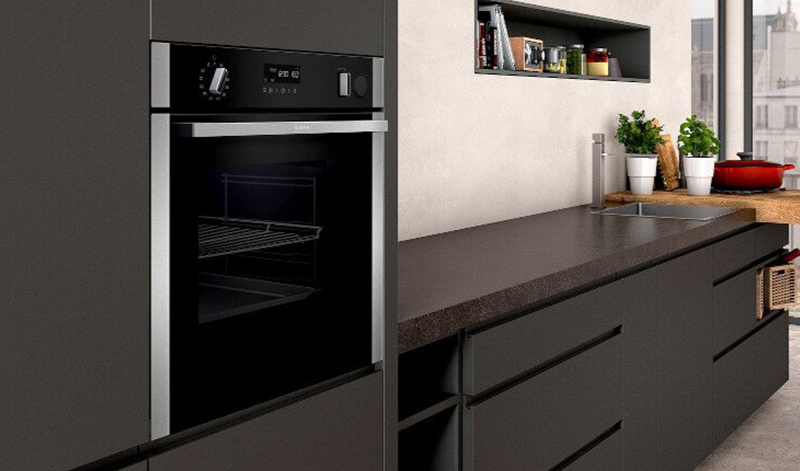
Convection ovens could be electrical ovens or gas ovens, they use fans to evenly spread hot air around the oven, reducing hot spots in the oven. For your bread and cakes, this means they get a more even bake and even cook quicker!
The fan in the oven ensures that when baking bread the heat is evenly distributed around the bread ensuring all areas of the bread rise and crust simultaneously, giving you a nice, even gold crust.
With cakes, this distribution of hot air means that the cakes are cooked evenly. Convection ovens prevent heat from rising to the top of the oven, leaving the bottom of the oven cooler. In turn, this means the bottom of the cake is cooked just as evenly as the top. Shop all convection ovens here.
Benefits of convection ovens for baking:
- Reduced hot spots
- More even cook
- Quicker cooking times
- Best for cooking multiple batches of bread and cakes
Steam ovens for baking
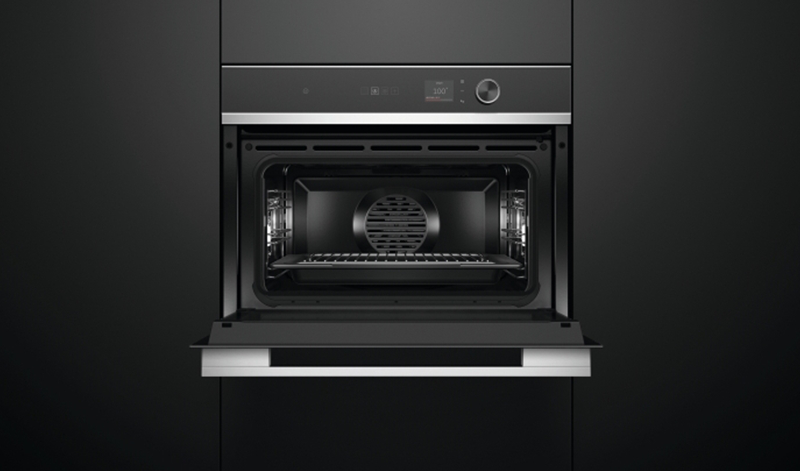
Steam ovens inject steam into the oven and use moisture to cook food. This is ideal for baking bread and cakes as it helps create a crispy crust while still keeping bread and cakes soft and fluffy.
When it comes to baking bread, the steam ovens create a crisper crust on the outside of the bread but keep the inside moist allowing the dough to expand and fill the tin before the outside begins to crust.
With baking cakes, the steam oven excels in delicate sponge cakes where you do not want the inside of the cake to be dry. The moisture from the steam oven helps prevent the cakes from drying out. Shop all steam ovens here.
Benefits of steam ovens for baking:
- Uses steam to keep baked food moist and fluffy
- Perfect for delicate and complicated recipes
Best ovens for baking: at a glance
In the table below, we've summarised the best ovens for baking so you can easily see which type is right for you:
| Oven Type | Benefits | Consideration |
|---|---|---|
| Gas ovens |
|
|
| Electric ovens |
|
|
| Smart ovens |
|
|
| Convection ovens |
|
|
| Steam ovens |
|
|
Find your perfect oven for baking
If you need a little more help with choosing the right oven for you, you can read our oven buying guide.
However, if you've decided which type of oven is right for you and your baking needs then explore our extensive range of ovens where you'll find all the different types of ovens we mentioned in this article.

 Added to your basket
 You've added an item to your basket.