












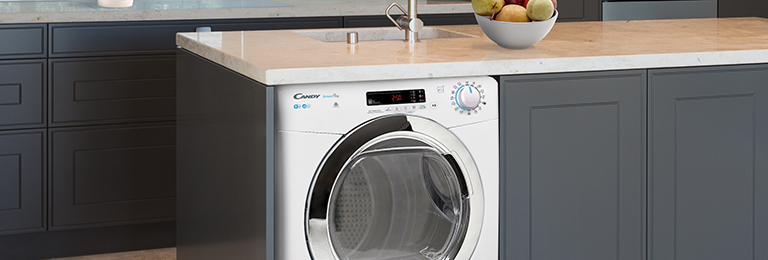
How Much Does a Tumble Dryer Cost to Run?

How Much Does a Tumble Dryer Cost to Run?
As the cost of living rises, most of us are becoming more mindful of our energy use - whether that means always switching lights off or turning the central heating down a notch. But what about using the tumble dryer? They've long had a reputation for being expensive to run, but have things changed? How efficient are the latest heat pump and condenser tumble dryers?
In this guide, we'll take a closer look at tumble dryer running costs and ask how much it really costs to get your clothes dry.
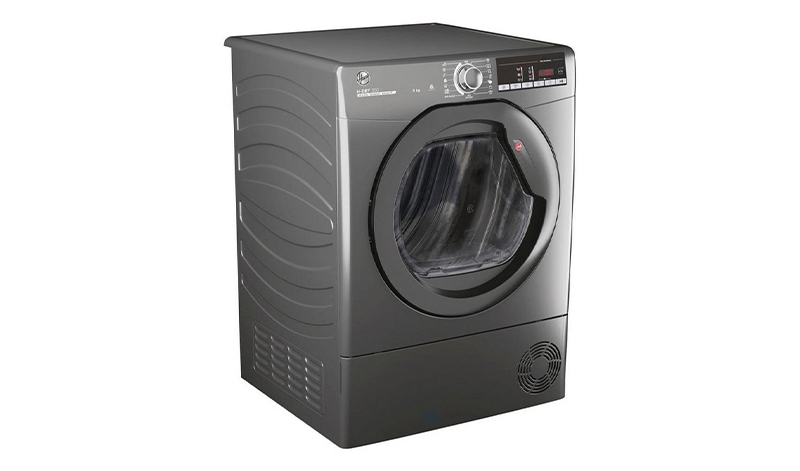
Average tumble dryer running costs in the UK
The Energy Saving Trust tells us that a tumble dryer uses roughly 4.5 kWh per cycle on average and that, as of October 2023, the average cost for electricity in the UK is 28.6p per kWh. Working on those averages, a tumble dryer would cost you £1.29 per cycle, or £134.16 a year if you use your tumble dryer twice a week.
But it's not quite that simple. The actual amount you pay will depend on a range of factors, including the type of tumble dryer you're using, how efficient it is, how often and when you use it, the type of clothes and load sizes you're drying, and even where you keep the tumble dryer in your home. We'll look at these variables in more detail below.
Which is the cheapest tumble dryer type to run?
Saving energy and saving money go hand in hand here. The most energy-efficient tumble dryers - hence the cheapest to run - are heat pump tumble dryers. Condenser dryers come next, closely followed by vented dryers.
Gas tumble dryers are comparable to heat pump dryers in terms of energy efficiency and cost. However, there aren't many models available currently and they're expensive to install, meaning they're not a viable option for many.
Vented tumble dryer running costs
Vented tumble dryers work by drawing in and heating air from the room. The warm air is blown around the drum causing moisture in the clothes to evaporate, and the moist air is then expelled by the hose.
Because they need to be placed near a wall or window, vented dryers may not be suitable for all homes. They're also known for using more energy - perhaps unfairly, as newer models often feature drying sensors to help save energy.
Based on electricity costs in January 2024, Ideal Home helpfully calculated average costs for the three main types of tumble dryer. They worked out that a 9kg vented tumble dryer uses 5.34 kWh for a full load cycle, costing £1.54 per cycle. If you used the dryer twice a week, over a year the total cost would be £184.44.
Heat pump vs condenser dryer running costs
Condenser tumble dryers lift moisture from your wet clothes and collect it in a container that sits inside the machine. When the tank is full you simply empty it.
Similarly, a heat pump tumble dryer uses hot air to absorb moisture from your laundry. The difference is that after the hot air has passed through the drum, it goes through a condenser, which removes the moisture and stores it in a tank. The remaining air is reheated (using a heat exchange system, not more electricity) and sent back through the drum multiple times until your clothes are dry. By 'recycling' the warm air, they use less energy and are cheaper to run.
According to Ideal Home, a 9kg condenser tumble dryer uses 5.2 kWh for a full load. That's a cost of £1.51 per cycle and £178.93 annually - almost as much as a vented model.
In contrast, a 9kg heat pump tumble dryer uses 2.16 kWh for a full load. That works out at just 63p per cycle and £75.11 over the year. Again, those figures are based on using your dryer twice a week.
There is a trade-off here to bear in mind: although heat pump tumble dryers use less energy than conventional condensers, they do take longer to dry your clothes. For a more in-depth comparison of these two types of dryers, see our guide to heat pump tumble dryers.
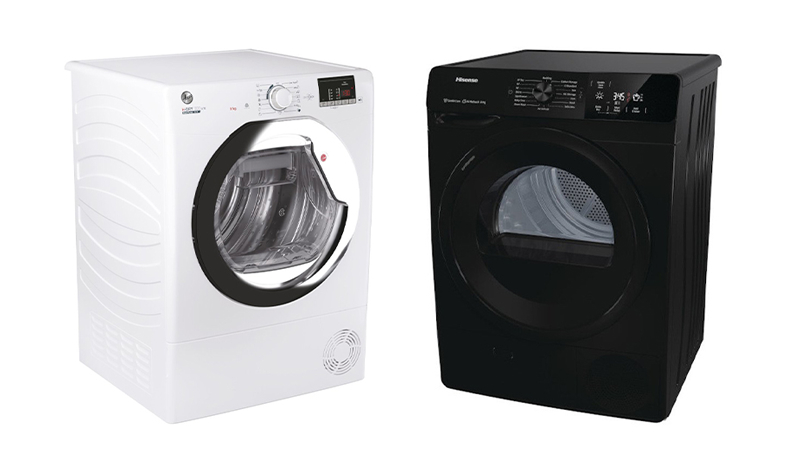
Tips to keep your tumble dryer running costs down
As you might expect, heat pump tumble dryers generally cost a couple of hundred pounds more than other types to buy in the first place. If you can afford to invest upfront, you'll reap the benefits of much cheaper running costs over the lifetime of the machine.
But even if your budget doesn't stretch that far, there's still a lot you can do to get the best out of your appliance and keep your tumble dryer running costs to a minimum. We've rounded up our top tips here, whether you're buying a new tumble dryer or want to cut the running costs of your existing appliance.
1. Buy the most energy-efficient model you can
Regardless of which type of tumble dryer you choose, pay attention to the energy rating. All dryers come with energy ratings, starting with the ultra-efficient A+++ rating and going all the way down to D. According to the Energy Saving Trust, choosing an A+++ rated machine over an A-rated one could save you around £640 over its 13-year lifetime.
Check out our guide to energy rating labels for more information.
2. Make use of energy-saving features
New tumble dryers today come with an array of features to help you save money on every load. Look out for the following features; they could go a long way in reducing how much your tumble dryer costs to run:
Sensor drying
Many tumble dryers have this feature, which uses sensors to work out how long your clothes need to dry and stops the cycle when they're ready. As well as helping to cut bills, this also helps to prevent damage to fibres so clothes look good for longer. As a bonus tip, keep the sensor working accurately by wiping it now and then with white vinegar and a cloth - you'll usually find it just below the door opening in the drum, made from two strips of metal.
Drying levels
If you're going to be ironing clothes or bed sheets, you don't need them to be 100% dry. If you choose a dryness level, the cycle will end when the sensors identify that the clothes have dried to the required level (look out for the 'iron dry' setting!)
Lower temperature settings
Many heat pump tumble dryers use lower temperatures to save energy and help protect your clothes. Some also use drum movements to prevent clothes from clumping together and allow warm air to circulate efficiently.
Auto cleaning
The auto clean feature uses water collected during the drying phase to clean fluff from the condenser at the end of each cycle. It's a clever trick that saves time and money and helps the machine work more efficiently for longer.
3. Don't under (or over) load
It's not energy-efficient to use your tumble dryer to dry just a couple of items. In the example cited by Ideal Home, the 9kg vented machine used 2.9 kWh for a half load, compared to 5.34 kWh for a full one.
Don't overdo it though. Overload the machine and not only will air not be able to circulate freely in the drum, but you could also end up with an unwanted repair bill or two.
4. Use tumble dryer balls
Tumble dryer balls reduce drying time by helping warm air to circulate around your clothes. For the same reason, if your washing has clumped together in the washing machine - perhaps as a result of a vigorous spin cycle - it's a good idea to separate and loosen things up before you pop them in the dryer.
5. Keep your dryer in a warm room
Did you know the location of your tumble dryer can impact how efficient it is? When you keep your dryer in a warm room, it'll take less energy to warm the air up to the necessary temperature, helping you keep energy costs down.
6. Dry similar materials together
Another lesser-known fact: washing and drying clothes made from similar materials together is more energy efficient. Different materials have different drying times, so by sorting loads by material you can run shorter cycles and prevent heavier, damper clothes from spoiling your fast-drying items.
7. Choose a faster spin speed
Wetter clothes take much longer to dry. If you can use a faster spin cycle on your washing machine you'll already have a head start on the drying time.
8. Dry your clothes overnight
If you're on a cheaper off-peak tariff, take advantage of your tumble dryer's delay start feature and let it run overnight. As a bonus, you'll have toasty-warm clothes to slip on in the morning.
9. Clear the filter after every load
It's amazing how quickly lint can build up on the tumble dryer filter. The manual most likely told you to clean it after every use, and with good reason - all that dust and fluff restricts the airflow, making drying less efficient. If you have a vented tumble dryer, make sure the wall vent is fluff-free too, and check the hose for kinks.
10. Get your tumble dryer serviced regularly
Just like any other appliance, a tumble dryer will run more efficiently if it's properly installed and well-maintained. A service also gives you the opportunity to pick up on any faults before they cause a bigger issue.
Fancy a more energy-efficient tumble dryer?
A final tip - technology is getting better all the time, so if you've had your tumble dryer for a while it could be time to upgrade to a more energy-efficient model.
At Marks Electrical, we stock a wide range of vented, condenser and heat pump tumble dryers from top brands, all at competitive prices with free delivery available. To get started, take a look at our tumble dryer buying guide. Or you can browse our range of A+++ rated tumble dryers. Don't forget, we're always available to talk you through the options if you need a hand.

 Added to your basket
 You've added an item to your basket.